Sci-Fi About Social Media and Online Ratings: 7 Stories That Saw It Coming
Seven novels and Black Mirror episodes about feeds, scores, paid skipping and the self as a profile, ranked by how well they read the platforms we actually got.
If you want sci-fi about social media, start with the novel Feed by M. T. Anderson, then the Black Mirror episodes "Fifteen Million Merits" and "Nosedive", and the novel Super Sad True Love Story. Between them they cover the ad-soaked feed, the fee to skip it, the star rating on a person and the phone as a self.
The surprise, across all seven in our archive, is how often the fiction got the gadget wrong and the arrangement right. Nobody wears a single public score over their head, but ride-hail ratings and tenant-screening scores are real and mostly hidden. Nobody was forced to join a transparent cult. People were offered a convenience and took it. The picks below are ordered by how well they read the platforms we got, with a score and a Nearness reading from our own reviews.
Each pick links to a full review and a ledger of its claims, so you can see what has arrived and what hasn't. For the related subject of cameras and tracking, see sci-fi about surveillance. For machines that talk back, see sci-fi about AI.
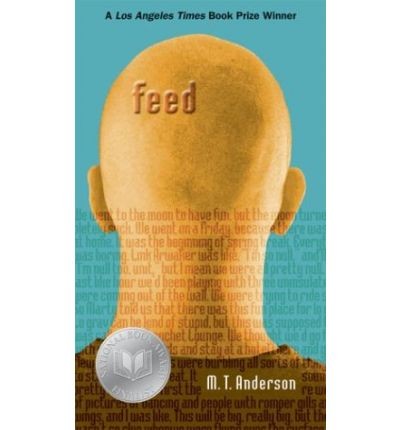
A boy and a girl fall in love while a corporate feed streams ads straight into their skulls. The implant is the least prophetic thing in it: it's still a clinical device for paralysed patients. What arrived is the profiling, the advertiser in the conversation and the maker who shrugs when your product breaks. Anderson's flat teenage narration is the best thing about it, and the satire is sometimes too loud. Read it first.
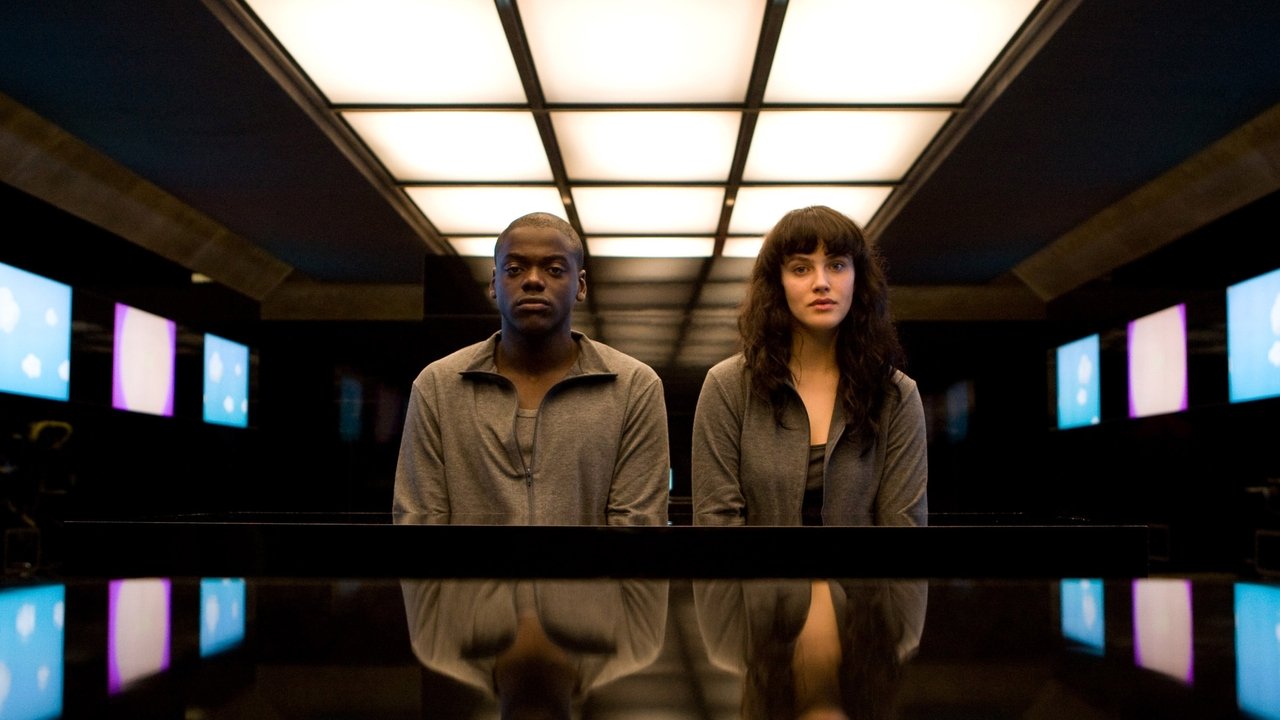
Everyone pedals a bike to earn merits, and skipping an ad costs you. The bike is physically absurd, but the fee is a price list: YouTube now sells ad-free viewing by subscription. The ending, in which a man's rage becomes a recurring show, looks more like the next decade than any of the hardware does. Slow in the middle, brilliant at the edges.
Shteyngart's New York is a place where everyone's phone streams their life and ranks them against the room. It's the funniest prophecy on our shelf and the most accurate about the phone. The Chinese-owned bankruptcy at the end went another way. Read it for Eunice, who deserves more pages than she gets.

A woman discovers a streaming service is making a prestige drama of her day, starring a licensed likeness of Salma Hayek. It's the funniest hour here. The terms-and-conditions joke has only got better with age, and Hollywood's 2023 strikes fought over the same question of who owns a digital double. The cosy ending lets everyone off.

Lacie Pound is a 4.2 in a world where everyone rates everyone. The single public number never arrived, but the blacklists, ride-hail ratings and tenant scores did, and they're private. It's lovely to look at and about 15 minutes too long. See it for Cherry Jones's ten minutes as Susan.
Dave Eggers imagined a tech company that sincerely wants everyone to be transparent. The cameras, the DNA-database policing and the single real-name login arrived. The creed didn't, because real platforms asked us to be engaged, not transparent. At 5.4, it's a book more often cited than loved, but its prophecy record is better than its reputation.
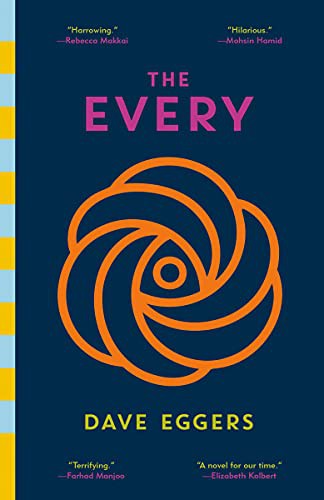
The sequel, in which an app proposed in contempt is adopted with delight. That joke is the book's best idea and an accurate one. It repeats The Circle at greater length, and scores 5.0. Read it only if you finished the first and wanted the argument again.
What is the best sci-fi book about social media?
For prophecy and prose together, Feed by M. T. Anderson, which scores 8.0 in our archive. For comedy about being ranked by your phone, Super Sad True Love Story (7.3). Dave Eggers's The Circle is the one most people name, but it's the weaker novel at 5.4.
Which Black Mirror episodes are about social media?
"Nosedive" is the obvious one, a world of mutual star ratings. "Fifteen Million Merits" is about paying to skip ads and turning rage into a show. "Joan Is Awful" is about a platform that takes your likeness. Our Black Mirror guide covers the wider run.
Did China really build a "Nosedive" social credit score?
Not the single number. Our review of "Nosedive" notes that, as MIT Technology Review reported in 2022, there is no central individual score. What exists is a set of blacklists, which blocked millions of ticket purchases in 2018, per figures reported by Fortune.
Is Feed's brain implant real?
Not as a consumer product. Neuralink told Reuters in January 2026 that it had 21 trial participants worldwide, and the implant is meant for people with conditions such as spinal cord injury. The parts of Feed that arrived are the advertising and the profiling.