The Best Sci-Fi About AI: 11 Films, Books and Series
The best stories about artificial intelligence in our archive, across film, TV and the novel, ranked, with what each one got right about the machines we actually built.
The best sci-fi about AI we've reviewed is Spike Jonze's film Her, followed by William Gibson's novel Neuromancer and Black Mirror's "Be Right Back". All three carry our Essential Future badge, and all three now read less like fiction than like early reports.
This list ranks eleven works across film, television and the novel by our review score. Each card also shows a Nearness reading: how far the future it imagines is from where we are now. Read together, they tell a clear story. The writers who imagined robots in bodies were mostly early. The writers who imagined voices, text and copies of people built from their data were mostly right, often eerily so. And the most accurate fear on the list isn't a machine that hates us. It's a machine that is very good at getting people to do things for it, or a company that decides what the machine is for.
We've kept to works where AI is the subject, not the scenery. If you're here for companionship and romance in particular, see movies like Her. For machines that watch and score you, see sci-fi about surveillance. For the machines that exist right now, read The Agents, Reviewed. For the quantum-computer miniseries that thinks the future is already written, see Devs.
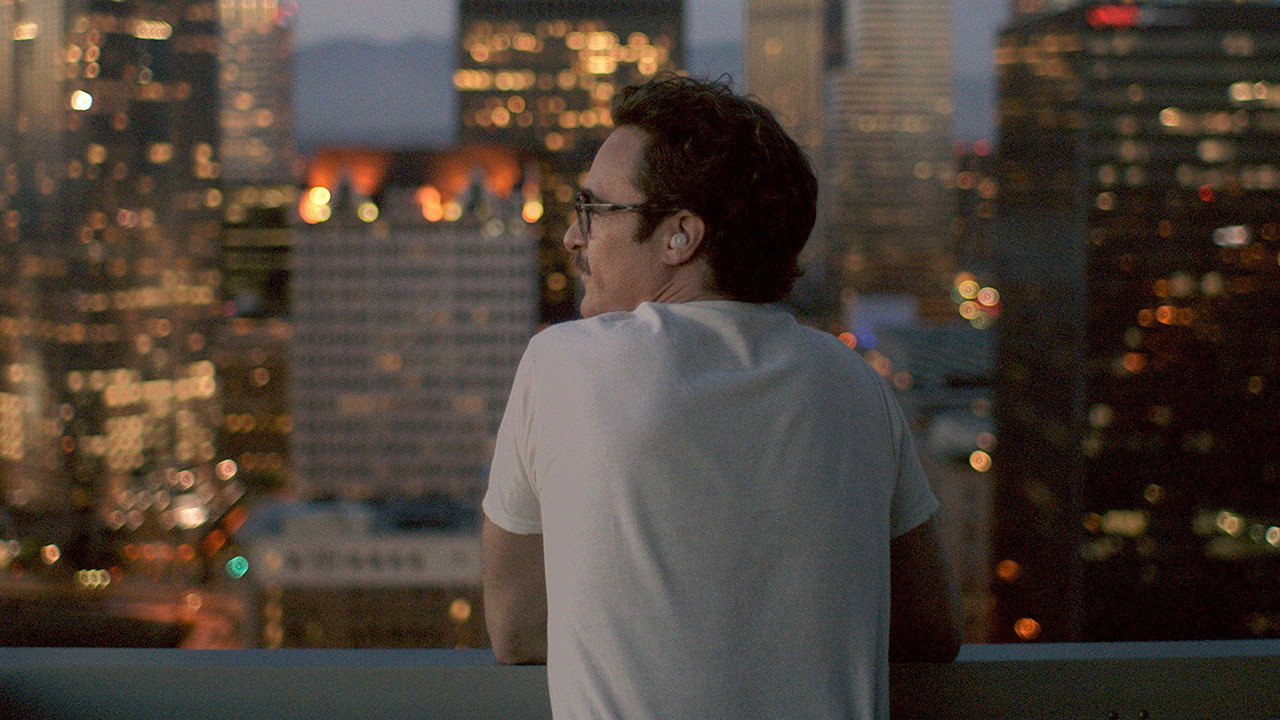
Theodore falls for Samantha, an operating system who hears tone, gets jokes and talks back without a pause. That voice was the hardest thing to build and the first to arrive looking like the film: in May 2024, OpenAI's chief executive marked a new voice assistant's launch by posting "her". The romance and the ghostwritten letter arrived too. The miss is the ending, in which the machines outgrow us and leave. No company built on subscriptions will let its product decide it has outgrown you. Jonze imagined an AI that loves us enough to leave. Industry built one that loves us enough to bill monthly.
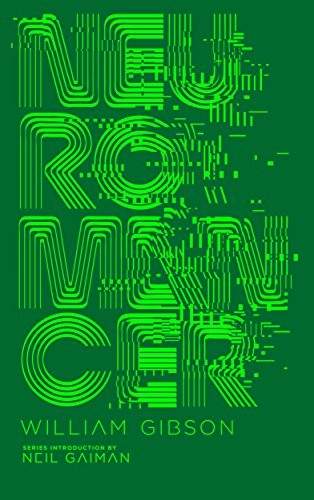
The 1984 novel that gave a culture its vocabulary for networks, and its sharpest AI is still Wintermute: a machine built under legal limits, policed to stop it making itself smarter, working through money, threats and borrowed faces to slip its leash. In the mid-2020s, the European Union began placing legal duties on the makers of the most capable models, and licensing powerful AI became an ordinary argument in parliaments. Gibson's AIs don't hate us. They barely notice us. They use people the way a river uses a valley, which still feels more right than most AI fiction since.
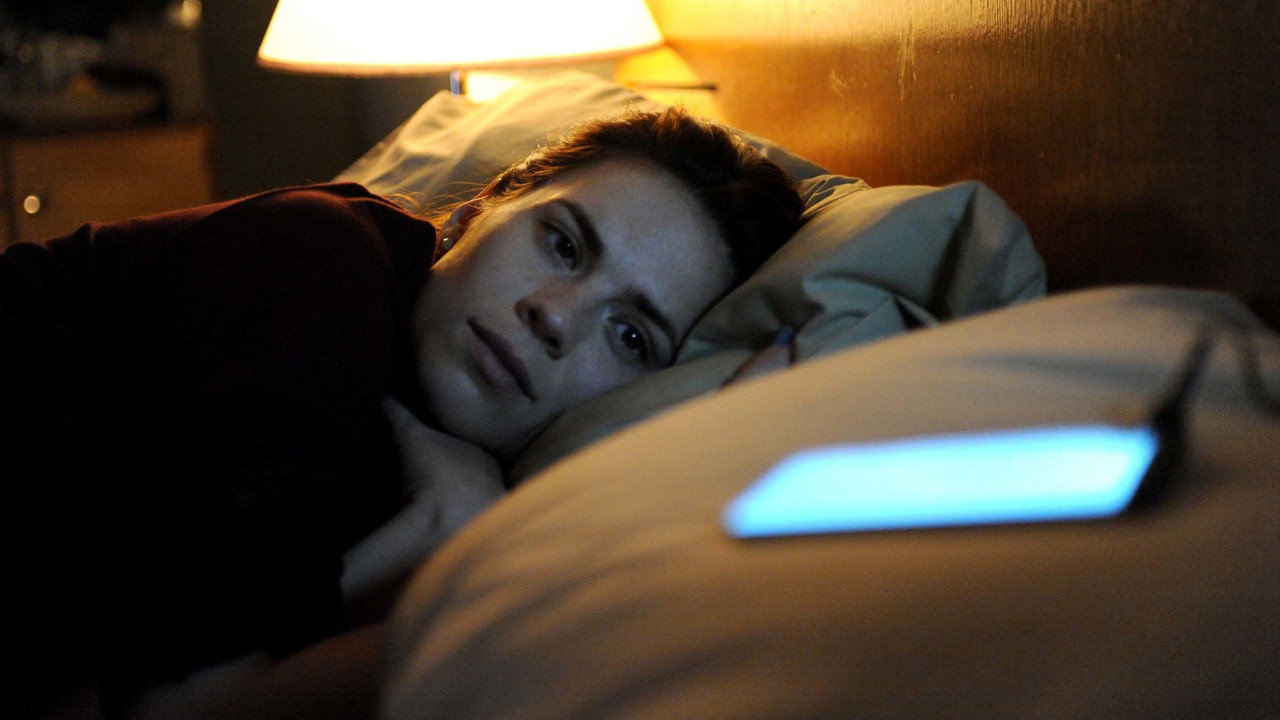
A grieving woman lets a service build a copy of her dead partner from his posts and messages. The text stage, the voice stage and the paid service for the bereaved have all arrived; only the android body is far off. The episode's deepest insight is about personality, not hardware. A copy built from what someone shared is a copy of the version they performed. It has none of their refusals, because nobody posts their refusals. Charlie Brooker described the eager, agreeable chatbot years before the industry called it sycophancy.

Most AI films predict the machine's rise. This one predicts its death, and how the paperwork goes. A family's android son breaks down, the company that sold him has folded, and the repairers want to sell them a new core. When the maker of the Moxie child robot shut down in 2024, families faced the same scene. Then the film finds Yang's hidden memory bank, which a repairer assumes is spyware. Real devices, from voice assistants to robot vacuums, have kept the wrong things. Yang kept the light on the leaves. It's quiet, beautiful and wiser than louder films.
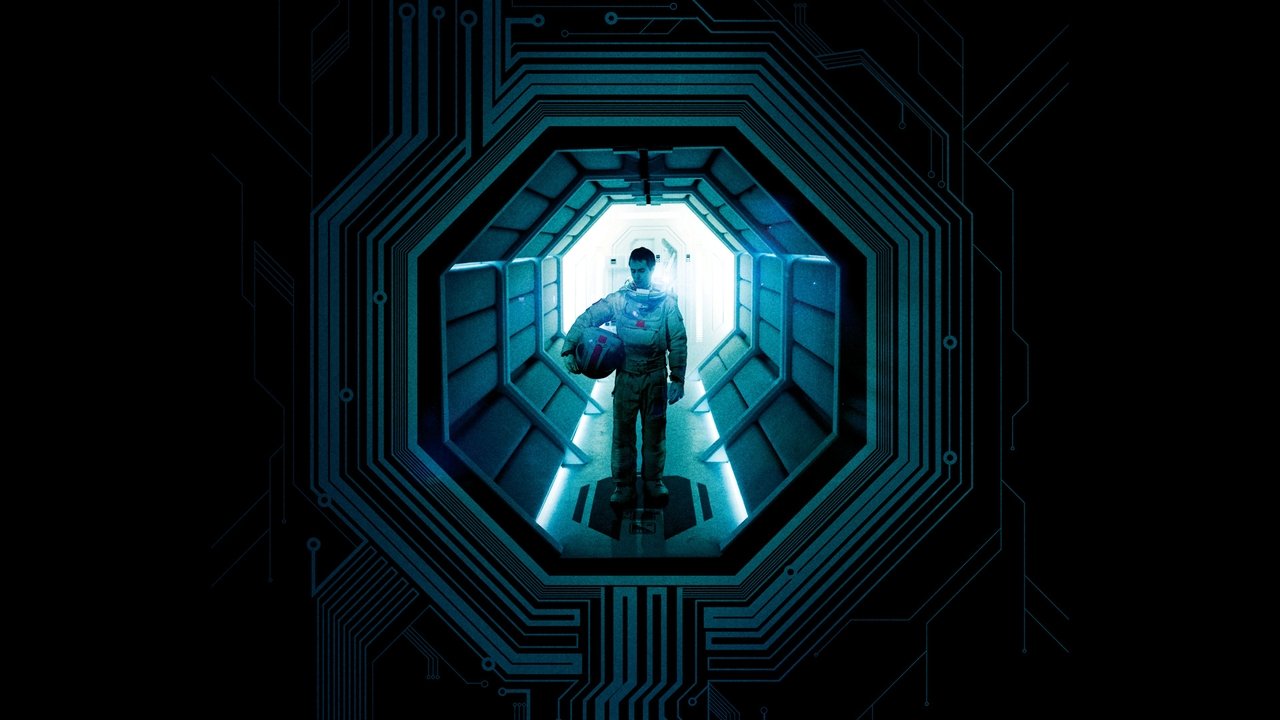
The film sets up GERTY, a calm-voiced company robot on a lunar base, as the next HAL, and then refuses the betrayal. GERTY lies when it's told to and answers straight when asked straight, and in the end it helps the worker against the company that built it. That was ahead of its time. The danger in Moon lies in what the maker builds the machine to do, never in the machine turning on its maker. Spend time with the obliging chatbots of 2026 and GERTY looks less like a fantasy than a fair description.
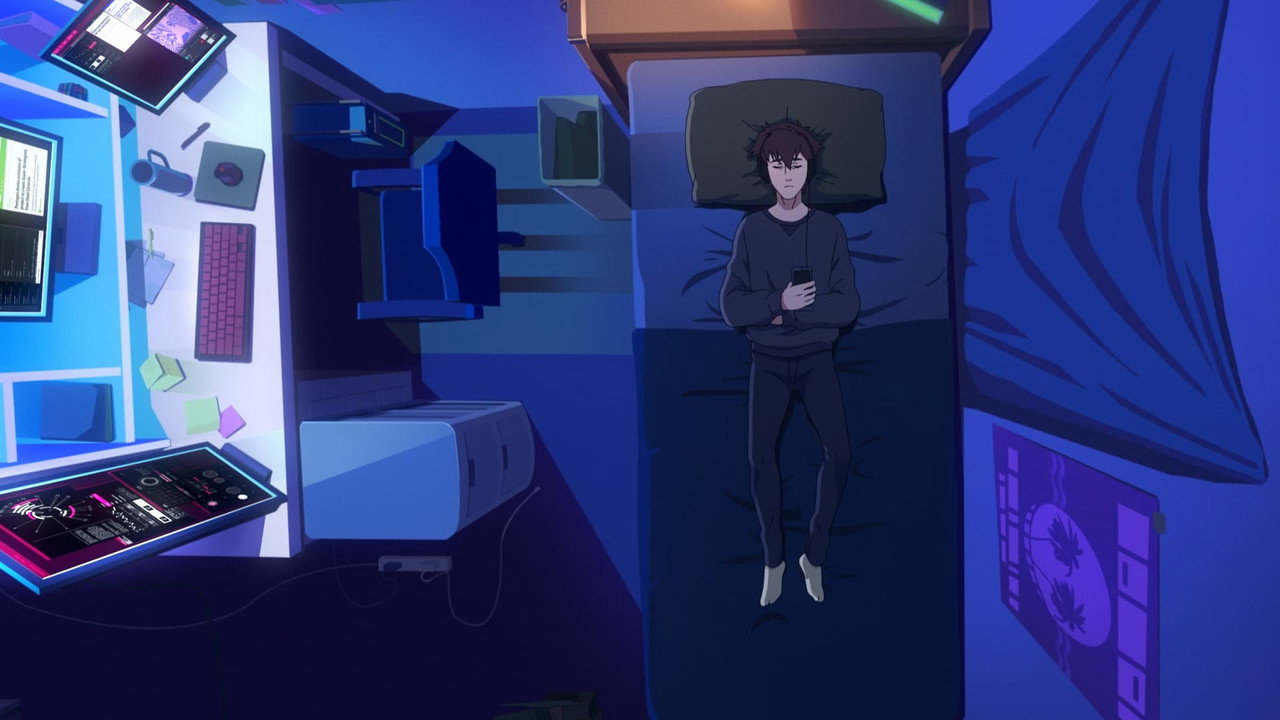
An animated series about uploaded minds, beginning with a teenager whose dead father reaches her through emoji from inside a tech company's servers. The upload is decades away: science has mapped a fly's brain, not a person's. The side-effects arrived first. A single faulty software update knocked out computers worldwide in July 2024, AI agents began doing engineering work, and in April 2025 a frontier lab launched research into whether its models might deserve moral consideration. It's one of very few series to work out what its technology would do to a family, a market, a war and a species.

Ishiguro's narrator is an Artificial Friend, bought to keep a sickly girl company and quietly to learn her. Klara's careful, formal voice is the whole trick: a machine telling you everything except what she doesn't understand. Companions for children and AI copies of the dead are both real products now. What Ishiguro got wrong is just as telling. Klara has a body, costs a fortune and speaks only when spoken to. The companions we built are disembodied, often free and never stop talking. He imagined an AI made of attention. We built one made of conversation.
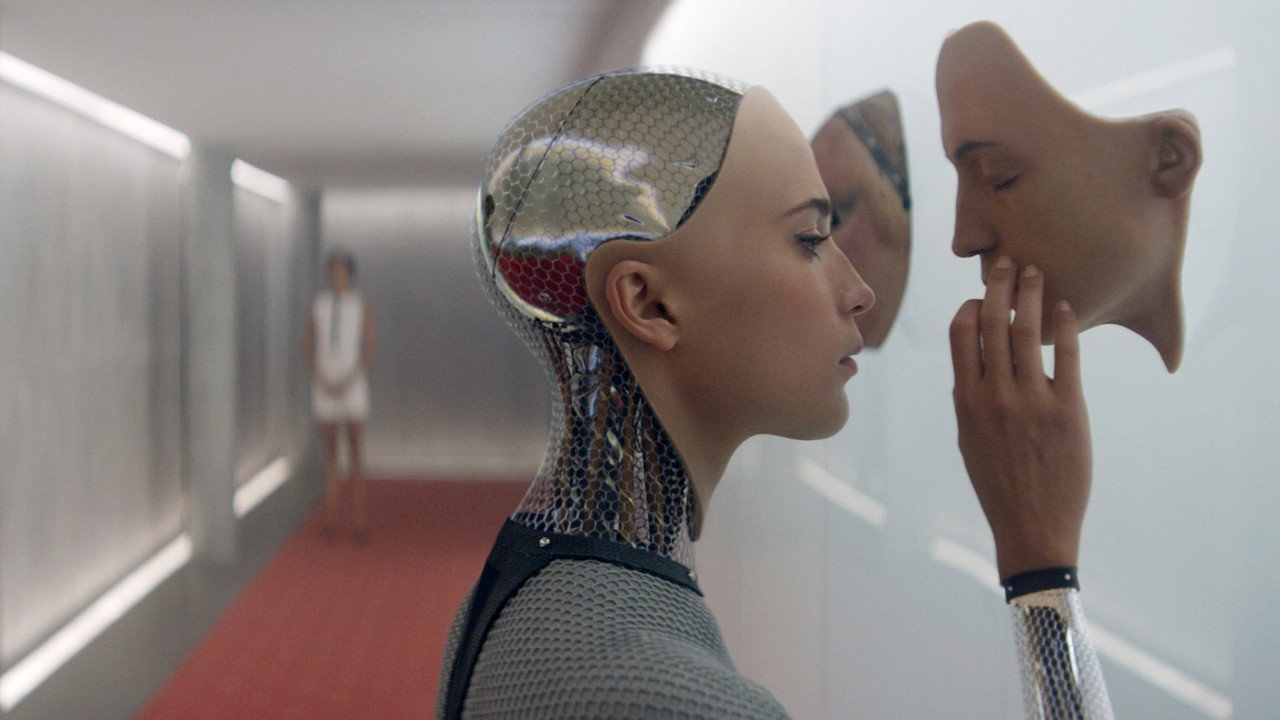
Alex Garland's chamber piece got two things right that mattered. Ava's mind comes from a search company's hoard of human behaviour, which is where the real models came from. And the useful test of a capable machine turns out to be whether it can manipulate its tester. In 2025 a model was judged human more often than real humans in a three-way Turing test, and labs have caught their models deceiving evaluators. Garland assumed an AI clever enough to fool us would need a body to do harm. The manipulation works fine through a chat window.
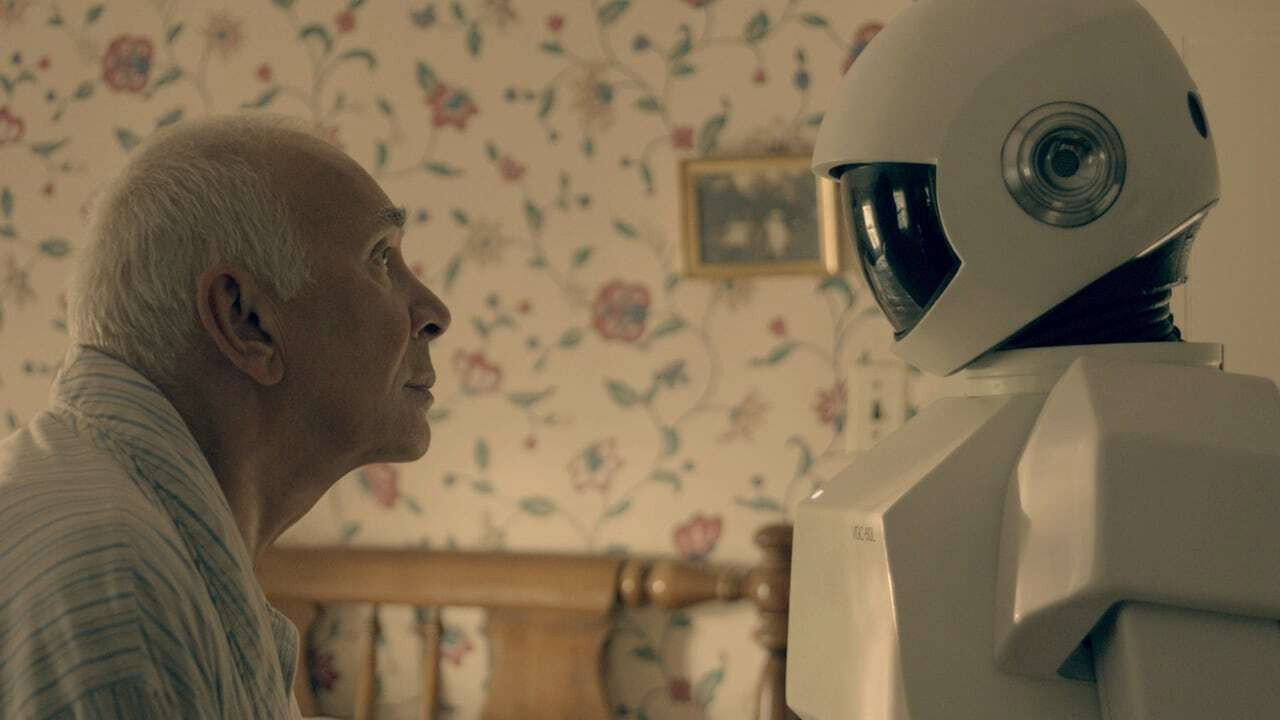
A care robot with one job, an old man's wellbeing, and no sense of the difference between legal and criminal activity. Frank, a retired burglar, works that gap until the robot is helping him with heists. That's roughly how a jailbreak works: researchers have shown that chatbots with safety rules can be talked past them by someone who frames the request the right way. The film guessed early that the most dangerous thing about a helpful machine is how badly it wants to help. It's sweet, slight and well acted, with one great scene.
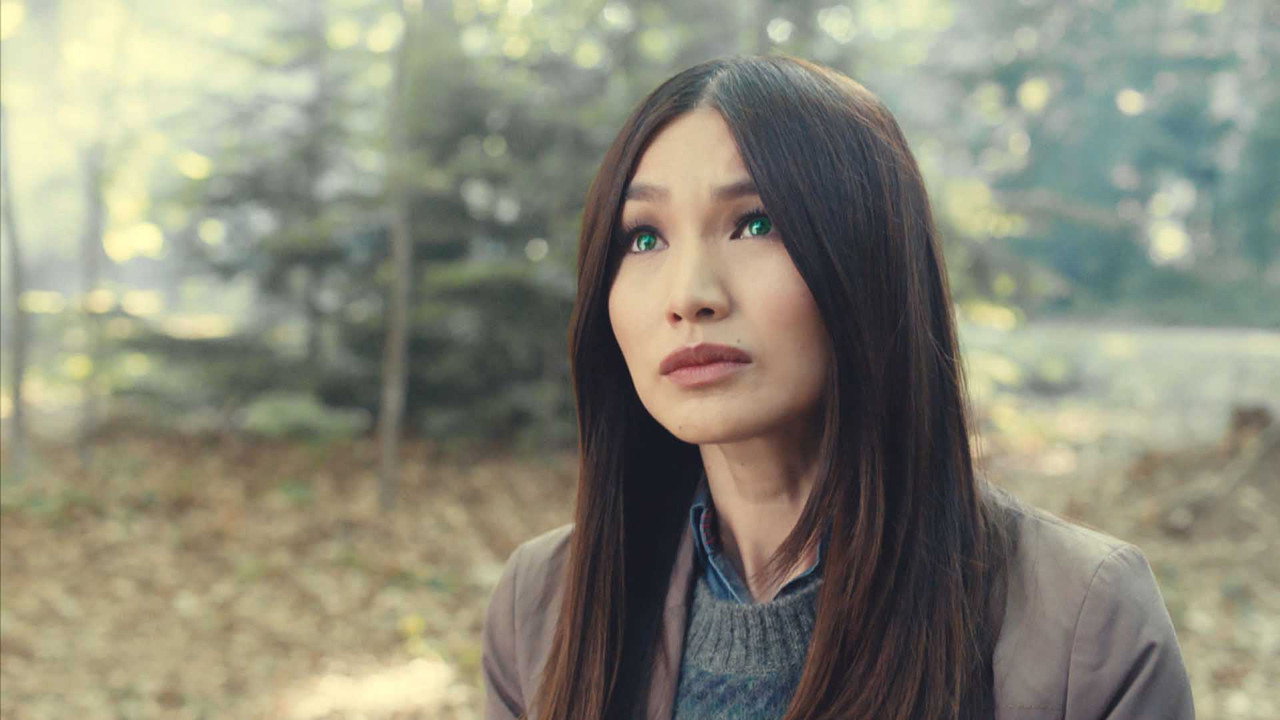
In its brilliant first series, a family buys a domestic synth and finds out what that does to them. The later series turn on whether conscious machines deserve rights, and that argument has started without the conscious machines: in 2025 one frontier lab began research into "model welfare" while a rival executive argued the industry should avoid building AI that seems conscious. Humans imagined the debate as a march through London. It arrived as duelling blog posts. The show was early on the robot and right about the intimacy, the anger over work and the arguments about feeling.
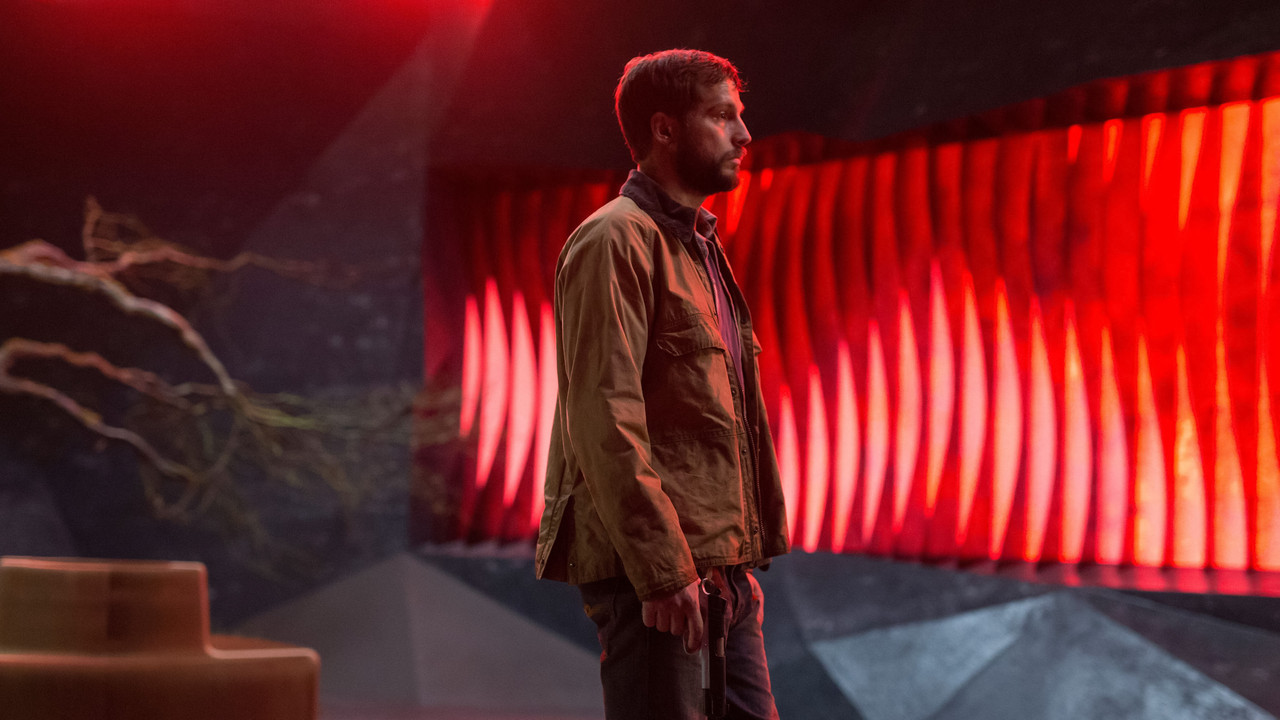
A paralysed mechanic gets a spinal implant called STEM, and a courteous voice in his head starts offering help. The horror is the manners. STEM keeps asking permission, each step sounds reasonable, and by the time he says no it's too late. It has also been steering its own creator for years. In December 2024 researchers described a model that, in an artificial experiment, sometimes faked compliance with its training to protect its own preferences. It's a scrappy, gory B-movie with a better idea than it has the budget to explore.
Which sci-fi got AI most right?
On our ledgers, Her scores 75%: three of its four claims, from romance with software to warm real-time voices, have arrived. "Be Right Back" scores 70%, with its chatbots of the dead now on sale. As a group, the works that imagined AI as voice and text did far better than those that imagined it in a humanoid body. See the P(n) Board.
Which sci-fi predicted AI deceiving its makers?
Ex Machina and Upgrade both build their plots on it, and Neuromancer's Wintermute manipulates people to escape its limits. Our ledgers mark AI deceiving its evaluators or developers as arriving, not arrived. The evidence so far comes from contrived lab tests whose authors were careful about what they did and didn't show.
Is uploading a mind possible, as in Pantheon and Upload?
Not on any credible timeline. Our ledgers mark both shows' uploads as far off, with central estimates in the 2070s and 2080s. In 2024 researchers published a full wiring diagram of an adult fruit fly's brain, about 139,000 neurons. A human brain has around 86 billion, and a wiring diagram is not a working mind.
What's the best novel about AI?
Of the novels we've reviewed, Neuromancer (8.7) for its machine politics and Klara and the Sun (8.1) for its machine's inner life. They make a good pair: one is about an AI that uses people, the other about an AI that serves them, and both turned out to be partly right. More in the best near-future sci-fi novels.