Black Mirror Episodes That Came True: 4 Episodes, Ranked by Our Ledgers
The four Black Mirror episodes we've reviewed, ranked by how much of their future has actually arrived, with the evidence for each.
Of the Black Mirror episodes we've reviewed, "Nosedive" has the most come true, at 75% on our prediction ledger. "Be Right Back" is a whisker behind at 70%, then "The Entire History of You" at 62% and "Hang the DJ" at 38%.
Those numbers come from our ledgers. For every work we review, we break its world into four to six specific, testable claims and mark each one against published evidence: arrived, arriving, near, far or diverged. An arrived claim counts as one, a partly arrived one as half, and the rest as nothing. The score is how much of the episode's future is already here, and it says nothing about how good the episode is. That's what the review score is for.
The ranking hides one twist worth knowing. "Nosedive" tops the table even though its central idea, one public rating floating over everyone's head, is the one claim that never happened. Everything that rating does in the episode arrived anyway, through separate, mostly hidden scores. "Be Right Back" is the cleaner hit: its central idea, a chatbot built from a dead person's messages, arrived in 2016.
We've reviewed four episodes so far, so this is a short list, and it will grow. Every claim and source sits on the P(n) Board.

Lacie Pound is a 4.2, and over an hour she falls below one star in front of a wedding party. The single public rating never arrived, in China or anywhere else; China's social credit system mostly targets companies. Nearly everything the score does arrived anyway. In 2018, 17.5 million attempts to buy plane tickets in China were blocked over bad records. Uber said in 2019 that riders rated far below average could lose access. In 2021 a tenant-screening score turned a Massachusetts woman down for a flat. Wrong shape, right weather. As an episode, it's 15 minutes longer than its idea.
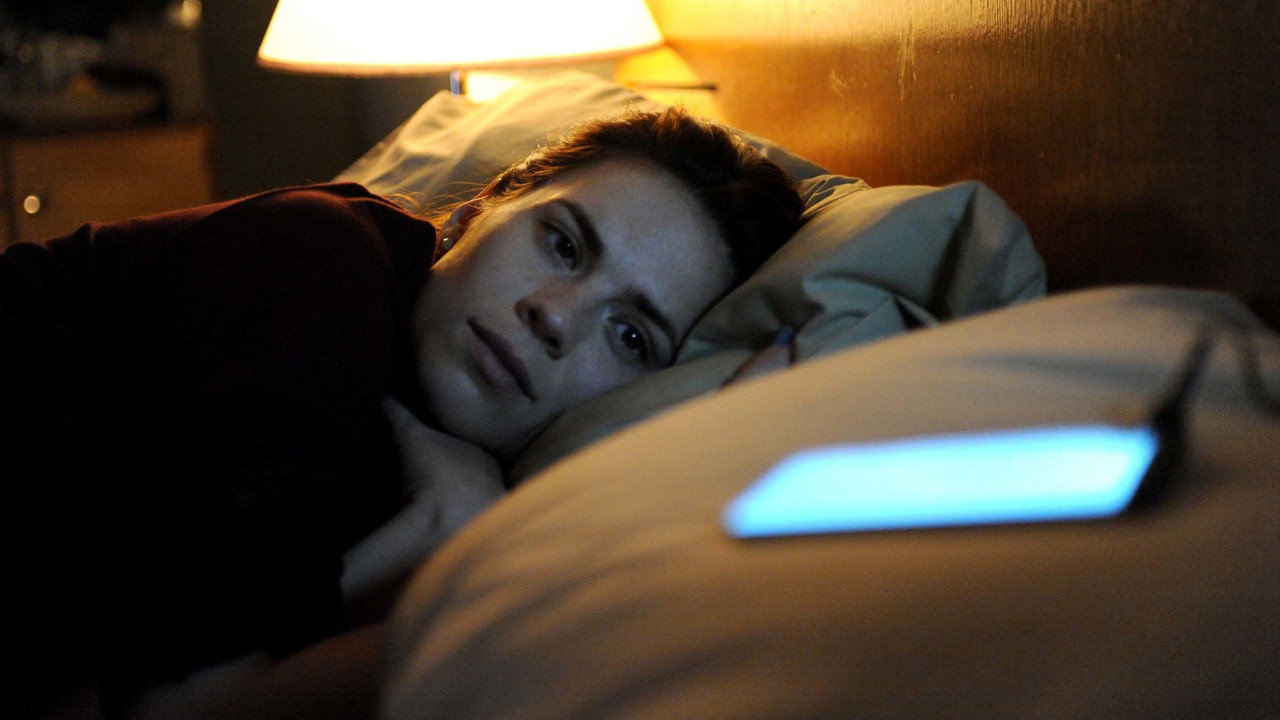
Martha's partner Ash dies, and a service reads everything he ever posted and starts writing back: first text, then his voice, then a body in a box. Three of the five claims on its ledger have arrived. A chatbot built from a dead friend's texts was reported by The Verge in 2016. Paid services that simulate the dead were running by 2021, and a dead person's voice can now be cloned from recordings. Only the android is far off. It's the best thing Black Mirror has made, and it predicted the copy's eager, agreeable manner years before the industry called it sycophancy.
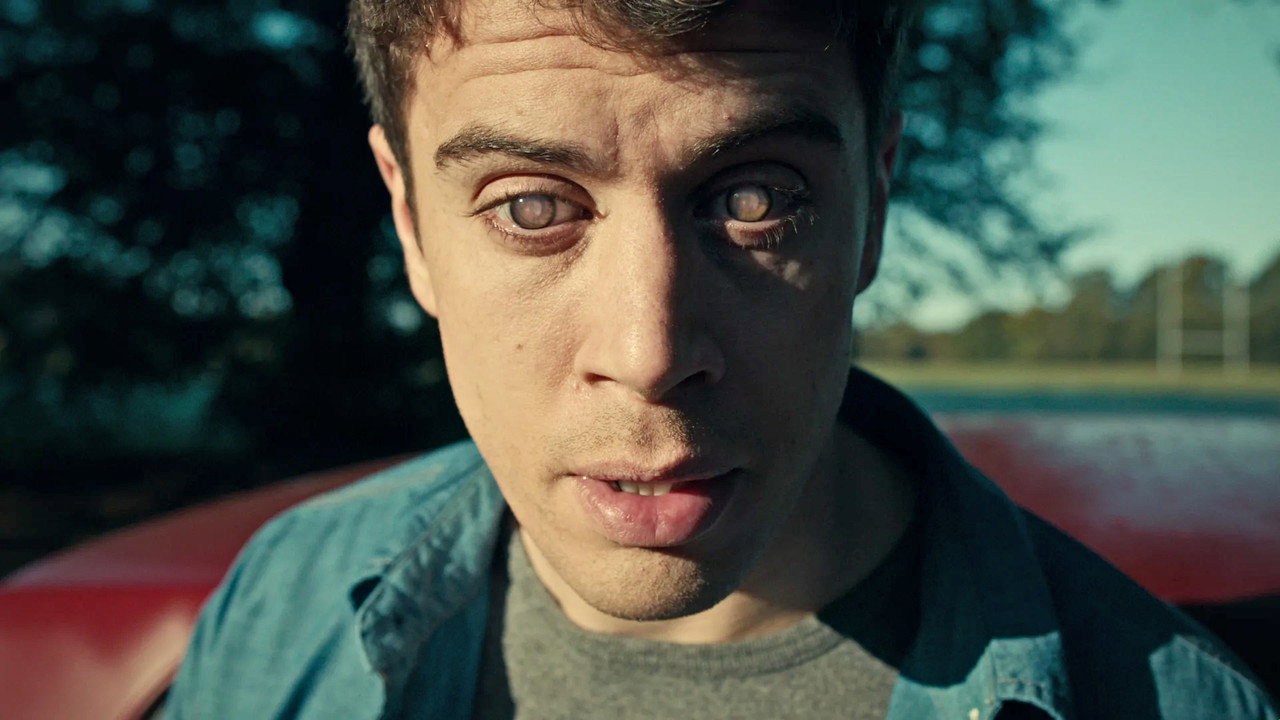
Nearly everyone carries a "grain" behind the ear that records everything they see and hear, and Liam uses his to take his marriage apart, one replayed clip at a time. The grain arrived in pieces. Microsoft's Recall lets Windows users search snapshots of their own screens, Amazon bought a wristband that transcribes your day, and US border officials searched the devices of 55,318 international travellers in the 2025 fiscal year. The implant itself is still far off. Jesse Armstrong's sharpest insight has aged best of all: a perfect record doesn't end an argument. It makes the argument endless.

Amy and Frank are paired, parted and re-paired by a device called Coach, which promises a 99.8% match. Much of Coach's machinery is here. Hinge began handing users a daily "Most Compatible" pick in 2018, and in 2024 Bumble's founder suggested AI "dating concierges" could date each other on your behalf. What hasn't arrived, and may never, is the number. A 2017 study fed more than 100 measures about speed-daters into a machine-learning model, which couldn't predict the attraction between two particular people. It's the warmest episode Charlie Brooker has written, with a twist far darker than it lets on.
Which Black Mirror episode came true the most?
Of the four we've reviewed, "Nosedive" scores highest on our ledger, at 75%, because blacklists, ride-hail bans and tenant scores now do what Lacie's rating does. But its headline idea, a single public score for every person, never happened. If you count central ideas, "Be Right Back" is the episode that came true: chatbots of the dead are on sale.
Is China's social credit system like Nosedive?
Less than people think. As MIT Technology Review reported in 2022, there's no central social credit score for individuals, and the national system mostly targets companies. What China does have is blacklists, and those are close to the episode's airport scene: millions of attempts to buy plane and train tickets were blocked in 2018 over bad records.
Can you really talk to a dead person through AI, like in Be Right Back?
Yes, in text and voice. Chatbots built from a dead person's messages have existed since at least 2016, paid services for the bereaved have been running since 2021, and voices can be cloned from recordings. What doesn't exist is the episode's last stage: a synthetic body that can pass as a specific person in the home.
How do you decide whether a prediction came true?
Each claim must be concrete enough that a reasonable person could say whether it has happened, and each is backed by two to four sources we've opened, including evidence against it wherever that exists. A claim counts as arrived only if it exists, is in real use and is documented. The method is published on the P(n) Board.