Climate Fiction: 8 Novels and Films About Heat, Drought and Scarcity
Novels and films about a hotter, thirstier or engineered world from our archive, ranked by score, with what each got right about who pays when things run short.
The best climate fiction we've reviewed is Stand on Zanzibar, John Brunner's 1968 novel of a crowded planet, followed by The Ministry for the Future, Kim Stanley Robinson's novel of a lethal heatwave and the institution set up in its wake. Then come Sleep Dealer, a film in which water is privately owned, and The Water Knife, a thriller about the Colorado River running short.
One caveat. Stand on Zanzibar is about population pressure, not the climate, so it sits here as the older ancestor of the genre. Eight works is a short list, and we would rather give you eight we've reviewed than pad it. They share a finding. The fiction was better at the dull machinery of scarcity than at the drama: the cuts, the rights, the prices and the paperwork. The violence and the collapse, so far, have not come. For nearby ground, see sci-fi about borders and migration and hopeful sci-fi.
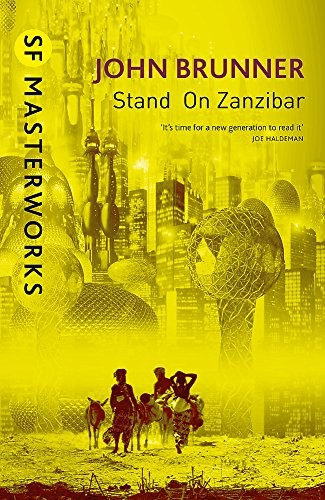
Brunner imagined a world of seven billion people in 2010 and told it as a collage of headlines, adverts and fragments, which reads like a news feed. The UN marked the seven-billionth person in October 2011, a year late. He got the number right and the curve wrong: fertility has since fallen, and the UN expects a peak of roughly 10.3 billion in the 2080s. It is overlong and dated about sex. Read it for the form and the headcount. Our Nearness reading is ARRIVED.
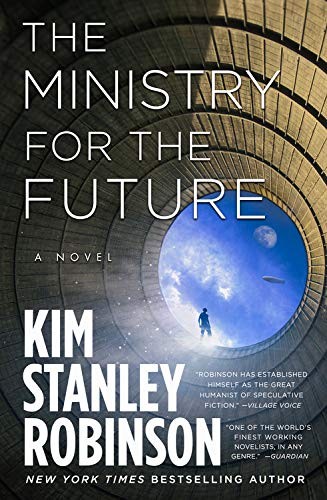
This is the climate novel that policymakers read, and it often feels like a meeting. Its opening heatwave chapter is unbearable, and the rest is a seminar on carbon coins, central banks and geoengineering. Our ledger finds the heat on schedule: brief wet-bulb readings at the 35°C mark have been logged, though not the novel's scale of death. The European Central Bank has tilted bond purchases towards lower-carbon issuers, but the carbon coin and the cooperative politics remain on paper. Score 6.8.
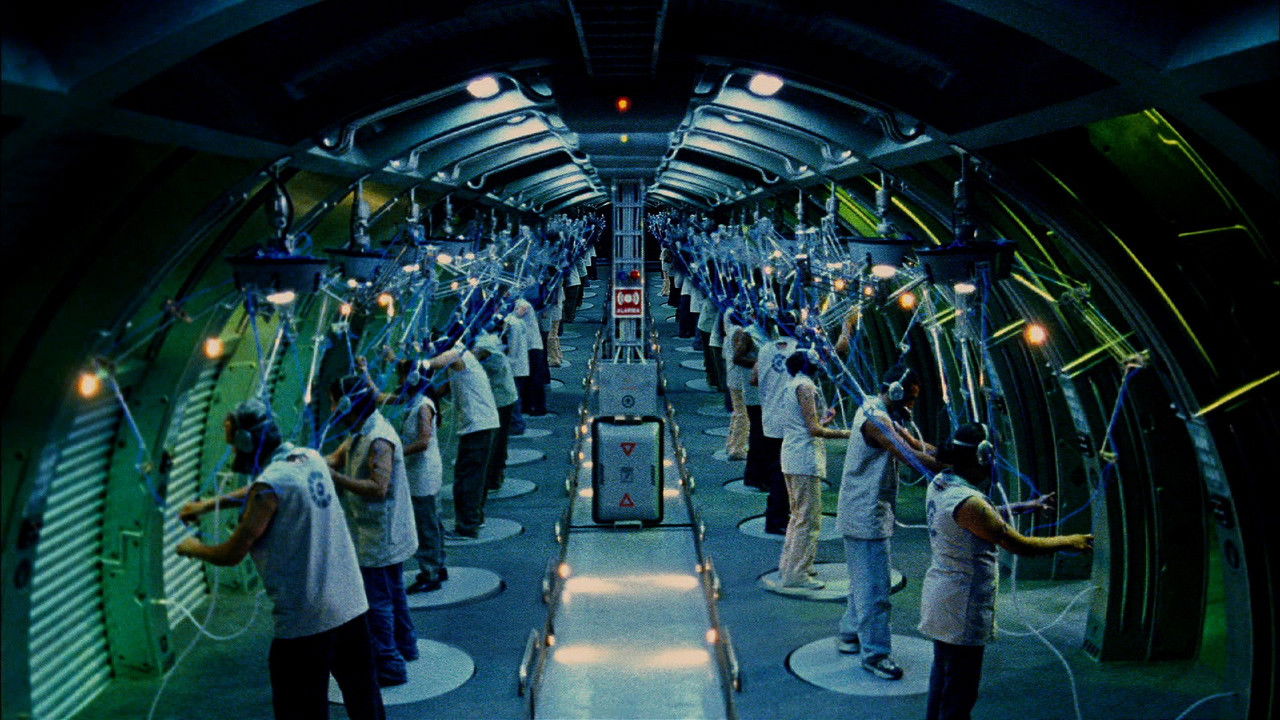
Alex Rivera's low-budget film is stiff as drama and sharp as economics. Water, drones, a factory and a memory market all turn out to be one system. Our ledger rates its claim that water becomes a market commodity ARRIVED: California water rights have a published spot-price index, which has run since 2018. The armed, privatised dam is still fiction. The better idea in it is remote labour, which is also starting to arrive. Worth seeing for its economics, not its acting.
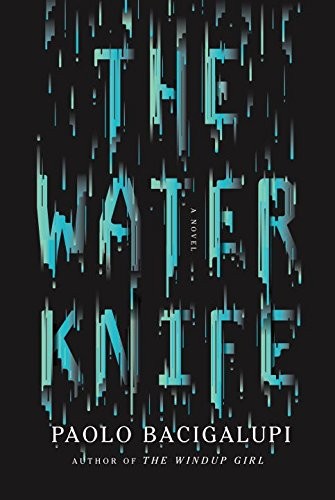
Paolo Bacigalupi's thriller is the weakest of the first four as a story, with action-movie characters and tidy coincidence, and the most accurate about how drought is handled. In August 2021 the first-ever shortage declaration cut Arizona's 2022 water supply, and in August 2026 Interior imposed cuts of 1.25 million acre-feet a year on the lower basin. Senior tribal rights have become negotiated leverage, as the novel said. Lawyers fought the water war, not helicopters. Score 5.9.
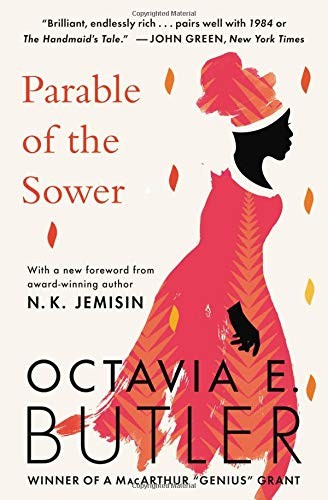
Octavia Butler's 1993 novel scores 8.6 and gave itself a start date of 2024. The fires and the private guards have turned up; the lasting collapse of public order has not. Butler's real prediction is about scarcity and sorting more than weather. Full review.
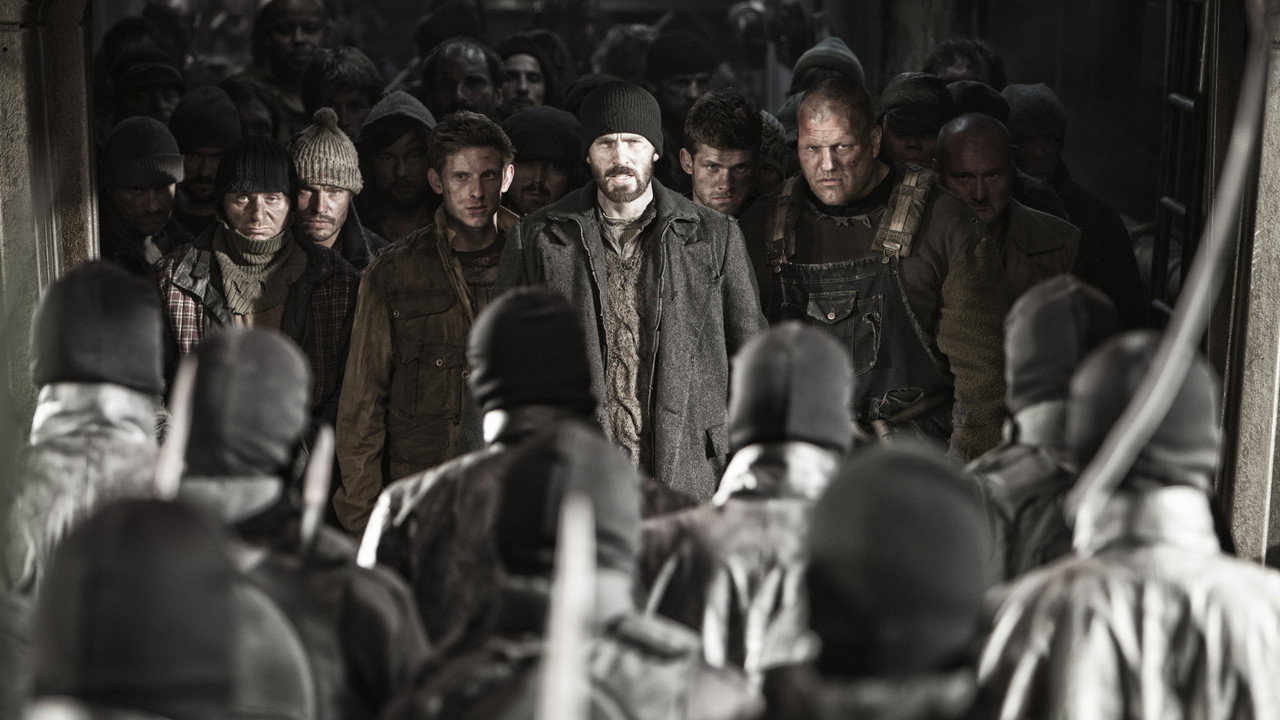
Bong Joon-ho's train gets the class war loud and the physics wrong, but it asked the climate question now being decided in public: who holds the thermostat. We rate its Nearness FAR. Harvard's SCoPEx outdoor experiment was cancelled in March 2024, while a start-up, Make Sunsets, has flown sulfur-particle balloons from Mexico and sold the cooling as an offset. The film imagined states acting in a panic. The version arriving is a start-up with a balloon. Score 7.9.
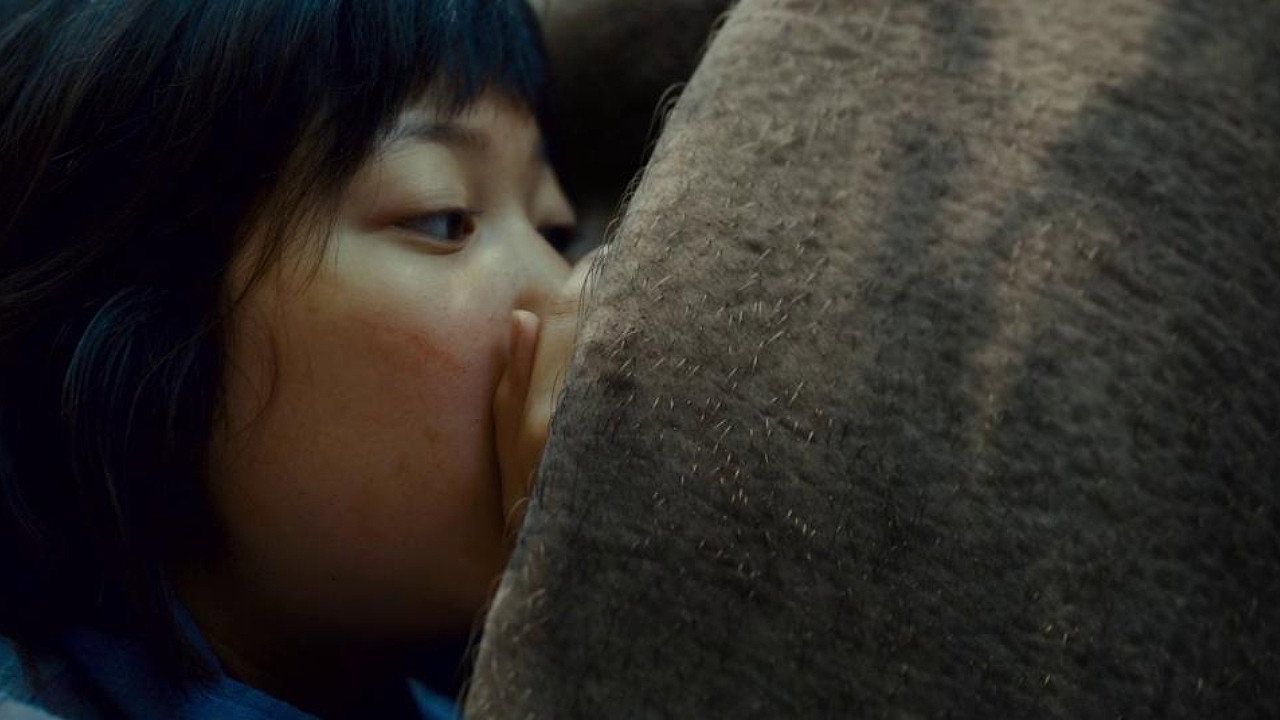
Bong's Netflix monster movie is about food more than climate, and it got the animal wrong and the brand exactly right. Nobody has built a giant pig, but the FDA approved the gene-edited GalSafe pig in December 2020 and a disease-resistant PRRS pig in April 2025. The principle, that a company can own and sell a pig whose genome it wrote, has arrived. Score 8.0.
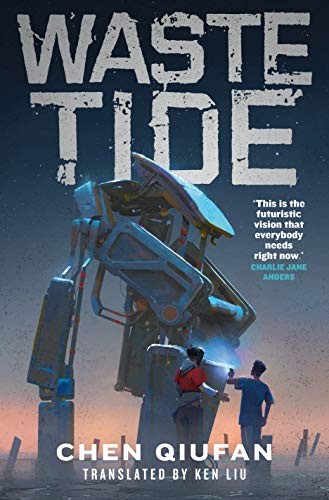
Chen Qiufan's cyberpunk thriller is built on a real town, Guiyu in Guangdong, where the world's old phones were taken apart by hand. After China restricted waste imports in 2018 the trade moved on, with reporting of about 37,000 tonnes of e-waste entering Thailand in five months. The town is the better prophecy. Score 7.2.
Also in the archive. Neal Stephenson's Termination Shock (7.4, Nearness ARRIVING) is the geoengineering novel: a Texan oil billionaire sets out to cool the planet with sulfur, on his own.
What is the best climate fiction?
Of the works we have reviewed, The Ministry for the Future is the one most about climate itself, and it is the novel most often credited with being read by policymakers. As fiction it scores 6.8, because much of it is a seminar. If you want the older, more literary ancestor, read Stand on Zanzibar, which scores 8.6.
Has the heatwave in *The Ministry for the Future* happened?
Not at its scale. Weather stations have logged brief readings at the 35°C wet-bulb mark, and lab work suggests the real limit for healthy adults is nearer 31°C. India's officially counted heat deaths in 2024 ran to the low hundreds, though they are widely agreed to be undercounted. The novel's millions in days have not happened. See the full ledger.
Has the Colorado River shortage in *The Water Knife* come true?
The paperwork has. Mandatory cuts were imposed in 2021 and again in August 2026, and the federal government has paid a tribal community to leave water in Lake Mead. No state has closed its border to another, and Phoenix is still growing. See our review.
Why does so much climate fiction read like a policy paper?
In our archive it often does, because the writers' real interest is in institutions: banks, treaties, water law. That is also why these books have aged better than the ones built on disasters. The disasters tend to arrive slower and more quietly than the fiction says.