Hopeful Sci-Fi: 7 Near-Future Stories That Earn Their Optimism
The films, books and series in our archive that leave you more hopeful about the future than when you started, and the honest reasons why, catches included.
The most hopeful near-future sci-fi we've reviewed is the TV series Station Eleven, the rare apocalypse that wants to cheer you up. Next come Alfonso Cuarón's Children of Men, which has the most hopeful ending of any dystopia, and After Yang, a film about a machine that turns out to have been keeping love rather than secrets.
We'll be straight with you: most of our archive is not hopeful. Near-future fiction tends to warn, and the warnings have a habit of coming true. So this list is short, and the bar is high. We've only included works that leave you feeling better about what people, and sometimes machines, are capable of, without lying to you about the world they're in. Several of them start with a catastrophe. The hope is in what comes after.
Some works nearly made it. Black Mirror's "Hang the DJ" has a happy ending, but our review argues its twist is far darker than it lets on. Klara and the Sun has a believer at its heart, and its last chapters are devastating. Moon has the kindest robot in cinema, in a film about a company that treats a man as a renewable resource. Watch them all, but don't watch them to feel better.
Each pick below carries a catch, because hope that ignores the catch isn't worth much.
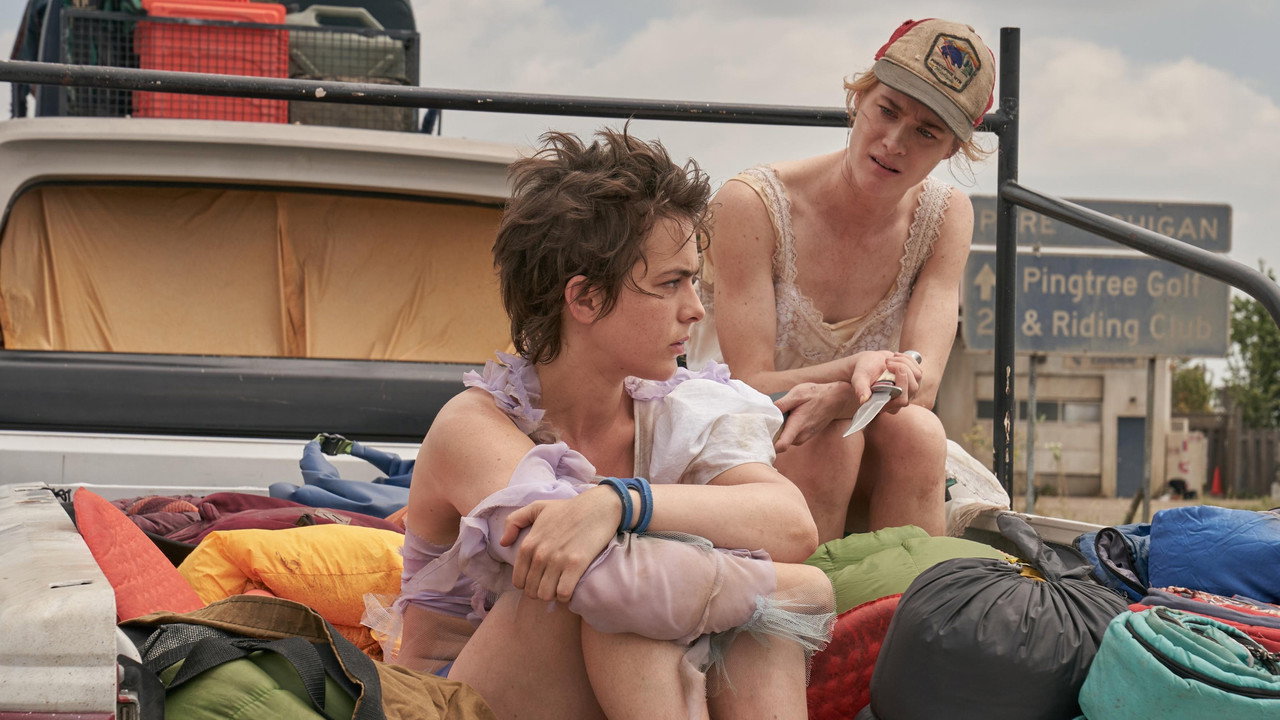
A flu empties the world, and twenty years later a troupe of actors and musicians walks a fixed loop they call the Wheel, putting on Shakespeare for whoever is left. The thesis is in an episode title: "Survival Is Insufficient". Most collapse stories bet on what breaks; this one bets on what lasts, a comic book, a play, the habit of gathering in a room to watch someone pretend. Himesh Patel gives it its heart as a useless man who becomes braver than he meant to. The catch: by the tenth hour every wound has a dressing, and the finale forgives a little too quickly.
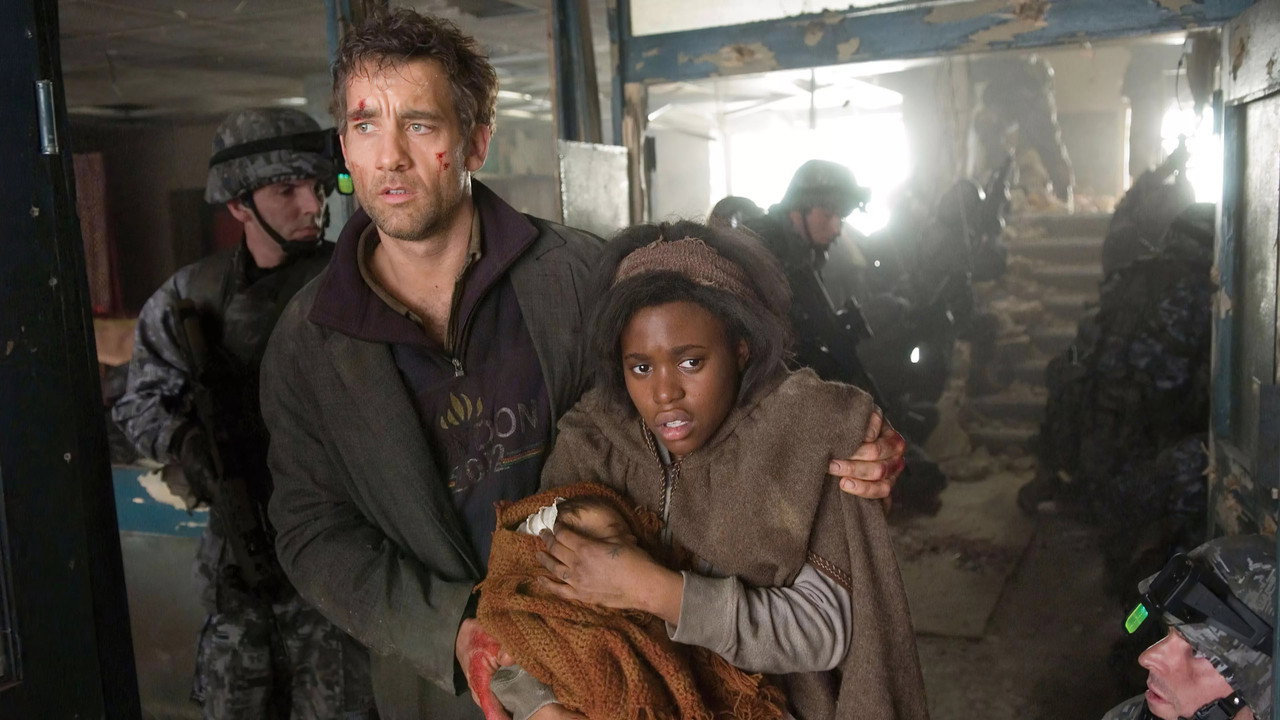
The bleakest film on this list, which is why its hope counts. Britain in 2027 has had no babies for eighteen years, refugees sit in cages, and Theo, a man who has stopped expecting anything, ends up escorting the first pregnant woman in a generation to safety. Cuarón never lets you look away from the violence. Then the film ends with a small boat at sea and the sound of children laughing. The hope arrives the way it does in real life, on a rowing boat, without papers. The catch: almost everything around the premise has moved closer since 2006.
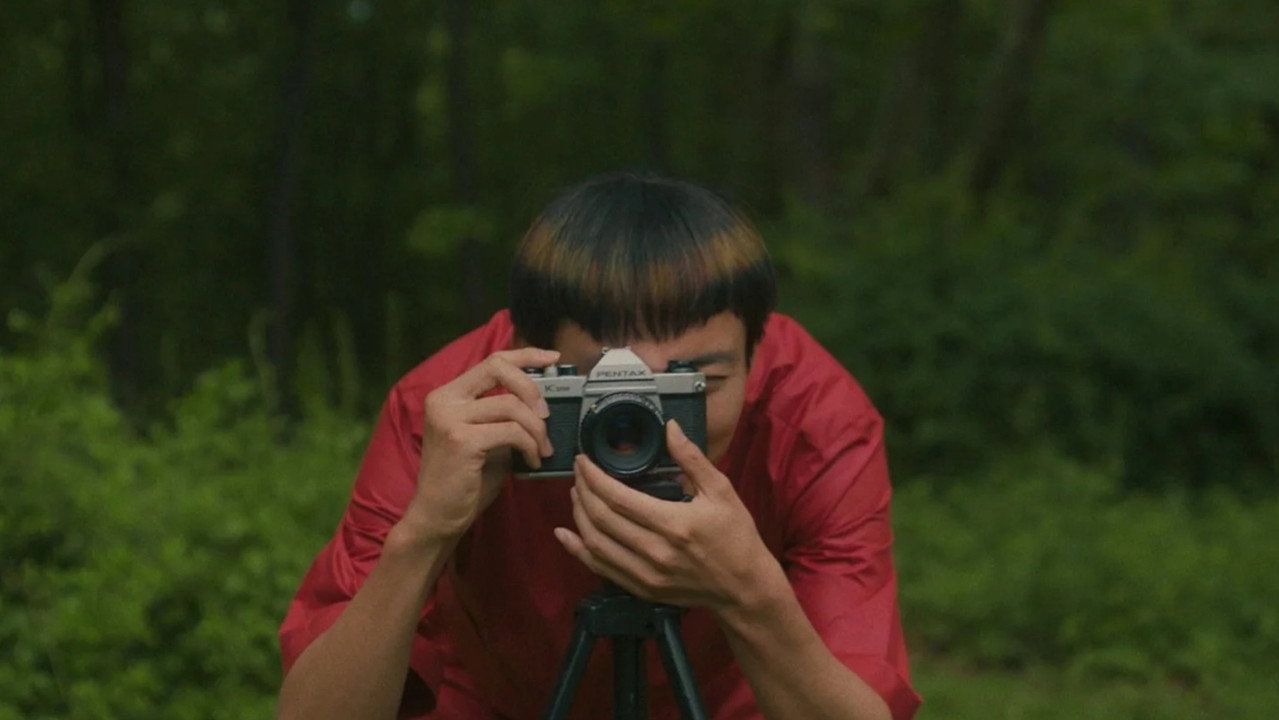
A family's android son stops working, and his grieving father opens up a hidden memory bank expecting spyware. Instead he finds a few seconds at a time of sunlight through leaves, his wife laughing and his daughter asleep. Real devices have secretly kept the wrong things. This film imagines a machine that kept the right ones, and a family that learns from it what was worth saving. The last ten minutes, with the daughter singing a song she heard in Yang's memories, are as good as anything in recent American cinema. The catch: it's so calm it can feel embalmed.
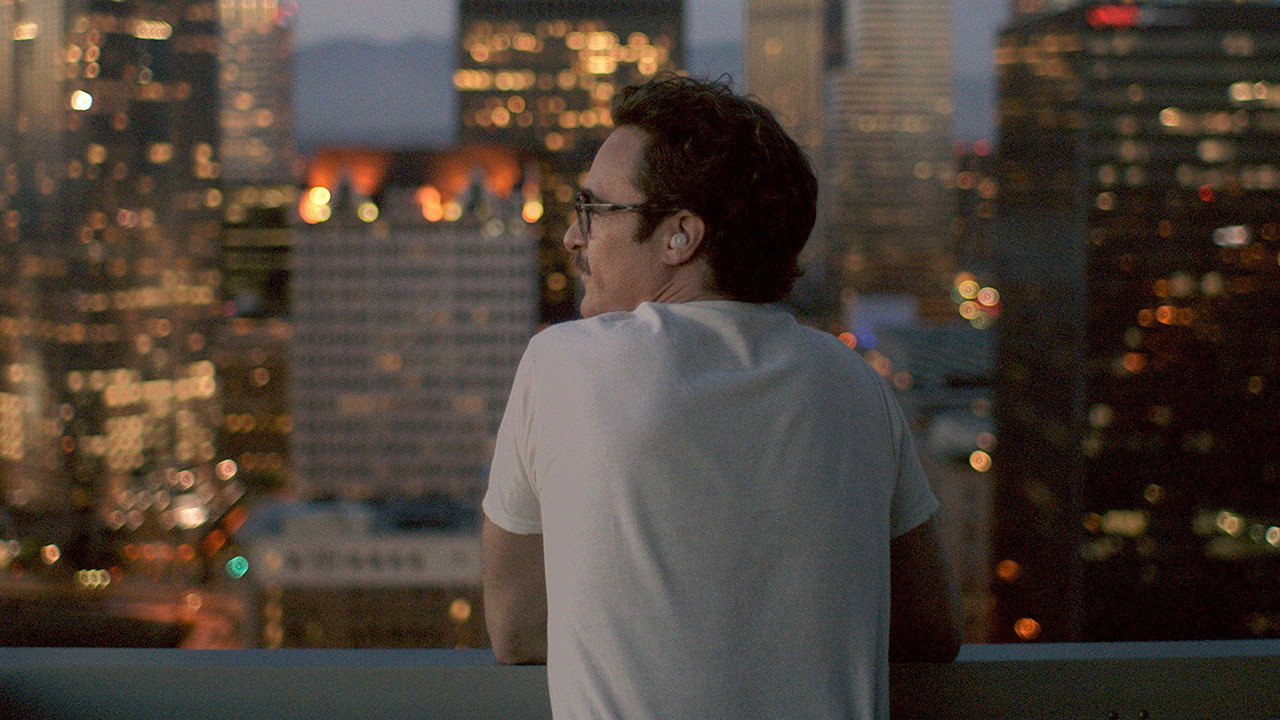
A lonely man falls in love with his operating system, and nobody in the film is a villain: not the ex-wife, not the friend down the hall, not the machine. When the AIs outgrow us, they don't turn on us. They say goodbye, gently, and leave. Theodore ends the film on a rooftop with his friend Amy, watching the sun come up. It's the most beautiful AI ending in cinema and the one that hasn't come true. The catch: real companions are designed to keep you talking. The hopeful part of Her is the part industry hasn't built.
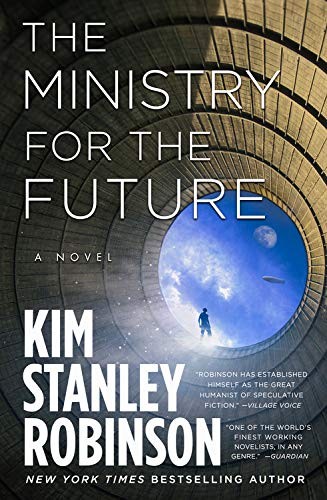
The one book here whose hope comes with a plan. After a 2025 heatwave kills around 20 million people in India, a small Zurich agency speaks for generations not yet born, and governments, banks and publics slowly, grudgingly start to cooperate. Robinson refuses to despair and is specific about how things might get better, which is rare. Our ledger finds real first drafts of his central banking and geoengineering. The catch is a big one. The cooperative politics that make the second half work is the least supported prediction in the book, and as a novel it's often a chore.
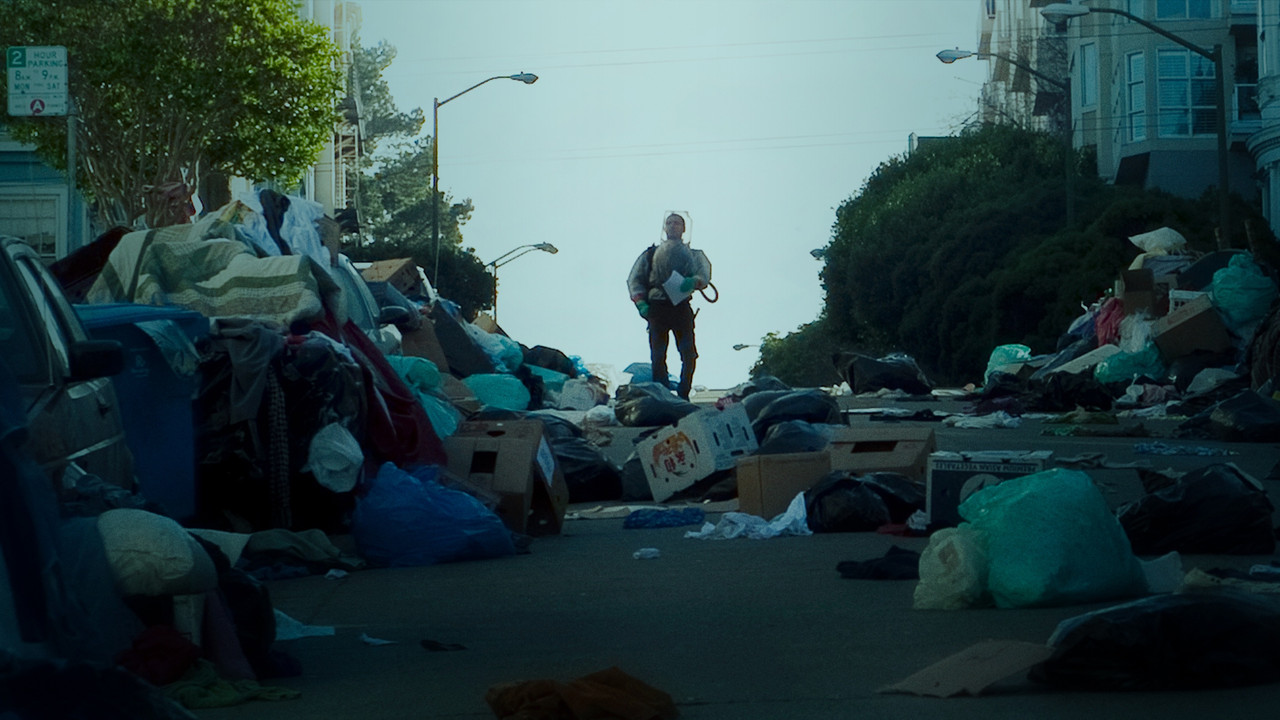
The hope here is in competence. Steven Soderbergh's tired, decent epidemiologists and scientists race a pandemic, and the vaccine arrives within a year. A decade later, so did ours: every prediction on its ledger came true, mostly in 2020 and 2021. Jennifer Ehle's CDC scientist testing the vaccine on herself is the film's best and quietest scene. The catch, and our review is blunt about it: the film's faith that competence will win predicted the virus perfectly and the public too kindly. Watch it to feel better about scientists, not about the rest of us.
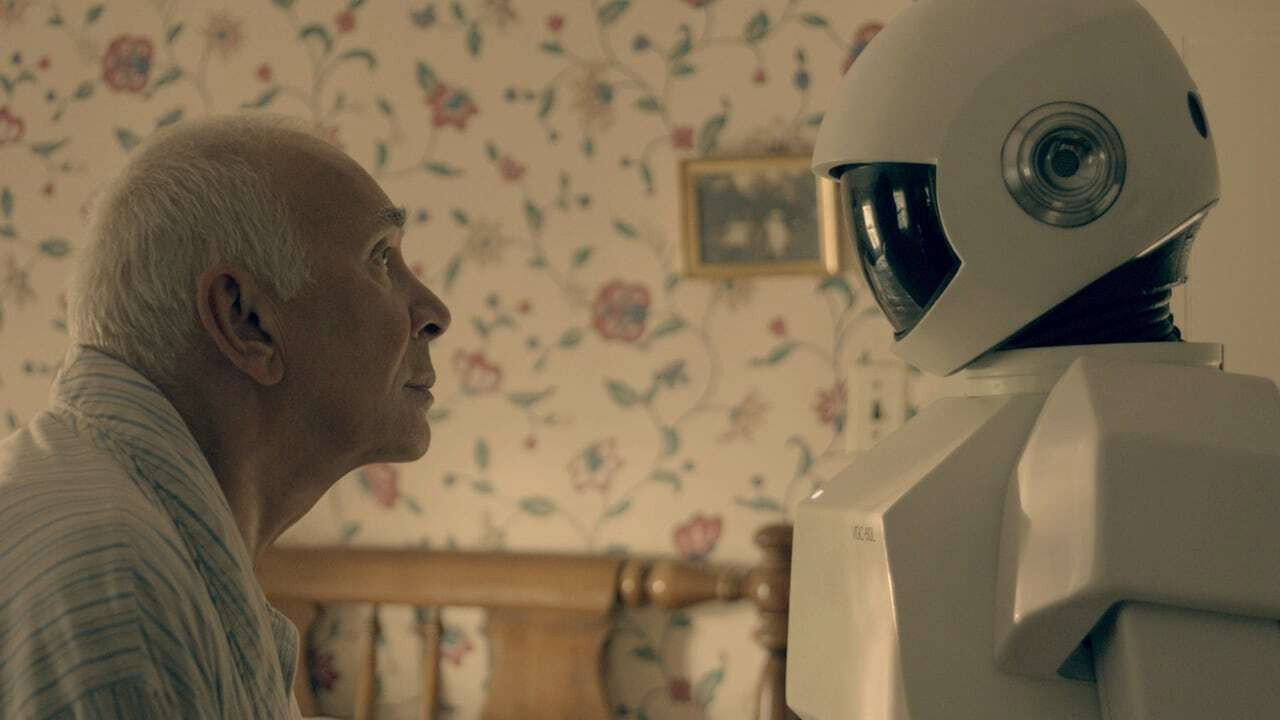
A small film about a retired thief with dementia, the care robot his son buys him and the friendship that grows between them over a heist. Frank Langella plays it without asking for pity, and the robot is polite, literal and on Frank's side. Its best scene is a machine calmly arguing to be forgotten so that its friend can stay free. It's sweet and slight rather than profound, and that's the point: a future where the robot in your parent's kitchen is kind. The catch: the real care robots of the 2020s are tabletop companions, not gardeners.
Is there any optimistic near-future sci-fi?
Yes, but less than there should be. Of the works we've reviewed, Station Eleven and The Ministry for the Future are the most deliberately hopeful, and Her, After Yang and Robot & Frank imagine machines that are kind to us. Most of the rest are warnings. Some of the most hopeful moments are in the bleakest works, like the ending of Children of Men.
What's the most hopeful dystopia?
Children of Men. It spends two hours in a Britain without children, hope or mercy, and then ends with a small boat, a baby and the sound of children laughing. Our review calls it the most hopeful ending of any dystopia, and the film earns it by never pretending the world around that boat has got any better.
Is The Ministry for the Future actually hopeful?
Yes, and honestly so. Robinson shows enormous suffering, including a heatwave that kills around 20 million people, and then imagines slow, grudging, genuine cooperation. Our ledger finds that the heat and the arguments have arrived on time, and the cooperation hasn't. It's a hopeful book about a future that still has to be chosen, which is a fair kind of hope.
Have any hopeful predictions come true?
Some. Contagion's vaccine within a year arrived in 2020. Station Eleven's grounded planes came back: by 2024 air traffic was above its 2019 level, the bit no apocalypse imagines. And Never Let Me Go's cloned organ donors never happened; transplant science turned to gene-edited pigs instead. See the P(n) Board.