The Best Cyberpunk Books, Films and Games: 6 Picks, Checked Against the Future
From Neuromancer to Deus Ex, six cyberpunk and cyberpunk-adjacent works, ranked by our review scores, with a note on what each got right about the world we now live in.
If you want the best cyberpunk to start with, read William Gibson's Neuromancer, watch Kathryn Bigelow's Strange Days and play Deus Ex: Human Revolution. Add Neal Stephenson's Snow Crash if you want the funny one, and Upgrade and Sleep Dealer if you'd rather the genre came with a smaller budget and a sharper edge.
Cyberpunk was the genre that treated the network, the implant and the corporation as the main characters, with ordinary people squeezed between them. That makes it unusually easy to check. A cyberpunk story makes claims about what companies will own, what bodies will be for sale and what everyone will carry. Every work below has a prediction ledger on the P(n) Board, so you can see which claims arrived and which didn't.
The results are mixed in an interesting way. The genre was often right about the terms and conditions, and wrong about the look. Gibson guessed the size of the internet but not its shape, and the games and films tended to get the contracts and the cameras before the chrome. Not every pick is a pure example of the genre, and we've said where one sits at the edge. Everything here is a work we've reviewed. For related reading, see sci-fi about surveillance and sci-fi about AI.
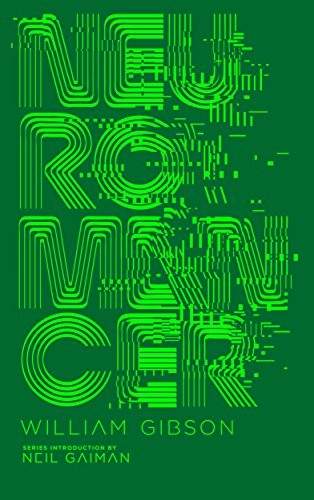
The book that gave the genre its vocabulary. Case is a burned-out hacker hired for a heist that ends with an AI trying to merge with its other half. In 1984 Gibson described cyberspace as used daily by billions of people; the International Telecommunication Union put those online at 5.5 billion in 2024. He missed the form completely, since nobody falls into a neon grid and everyone looks down at a phone. The prose is the world-building, and the last act drowns in atmosphere. Start here.
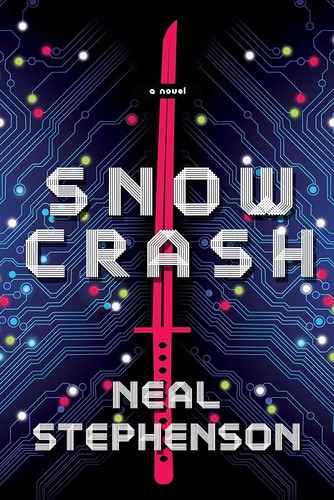
The funny one. Hiro Protagonist delivers pizza for the Mafia and owns a sword, in a country sold off one franchise at a time. It coined "metaverse", and on 28 October 2021 Facebook renamed itself Meta, after the book's word. Our review argues the jokes aged better than the virtual world: private enclaves, private money and weaponised images turned up on schedule. The lectures from the Librarian stall the second half, and one scene involving a fifteen-year-old character is a misjudgement the book never examines.
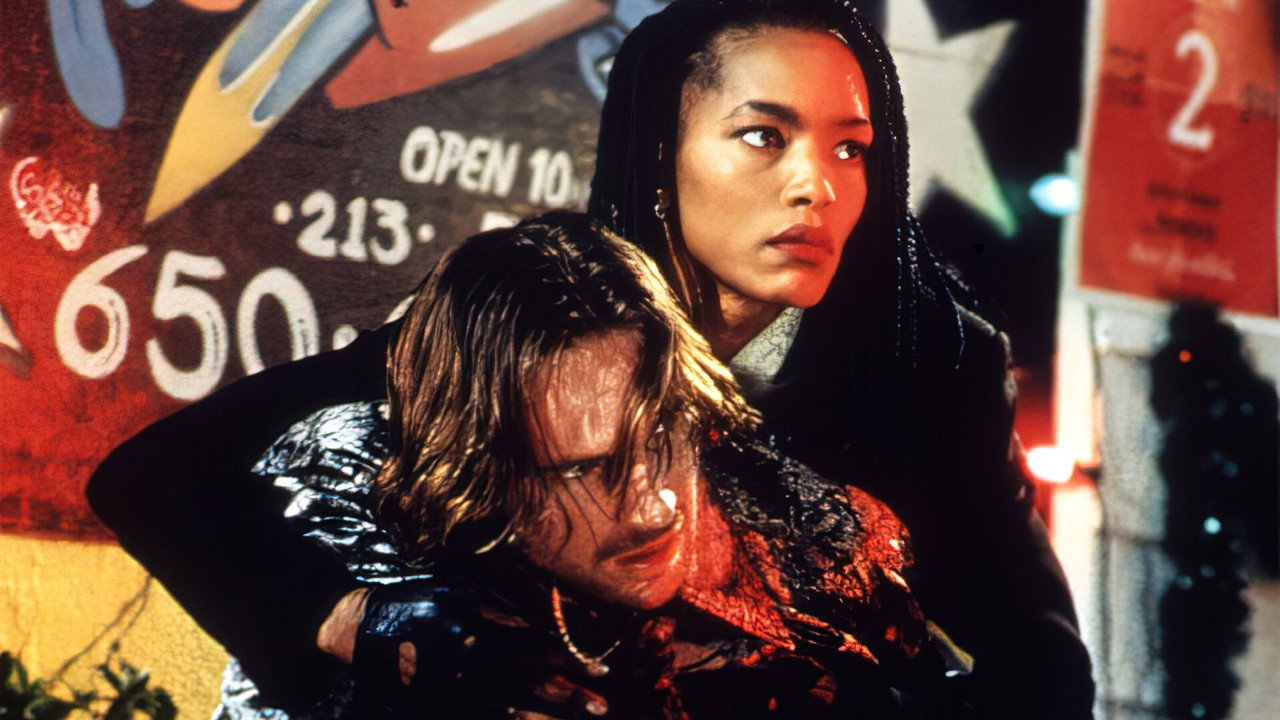
Bigelow's millennium-eve thriller invents the SQUID, a headset that records and replays someone's whole experience. It's still decades off. But its police body camera, head-worn playback and bystander video of a police killing all arrived, and the plot about suppressed footage of police killing a Black man proved prophetic. Angela Bassett is the film. The ending is wish fulfilment, as the system corrects itself and the tape is believed. The first-person sequences are still some of the most upsetting in mainstream American film. Cyberpunk by way of neo-noir.
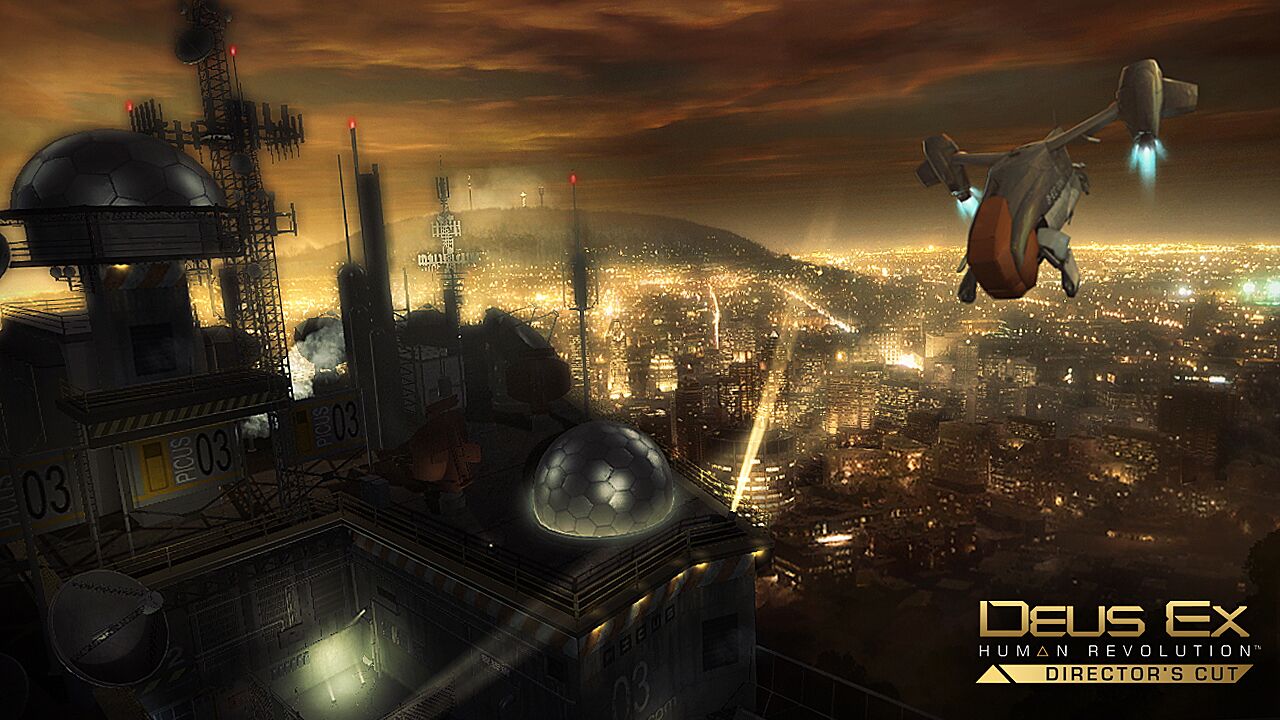
Set in 2027, Eidos Montréal's game imagines a world that rebuilt its bodies and then rented them back. Its sharpest idea isn't the cybernetic arm but the drug, Neuropozyne, that you must keep buying so your body doesn't reject your implants. Real prosthetics are restorative, not better than flesh: the FDA approved the DEKA arm in May 2014. But dependence on one company's survival has already been seen. You can solve most rooms by stealth, force, hacking or talk. The boss fights are weak.
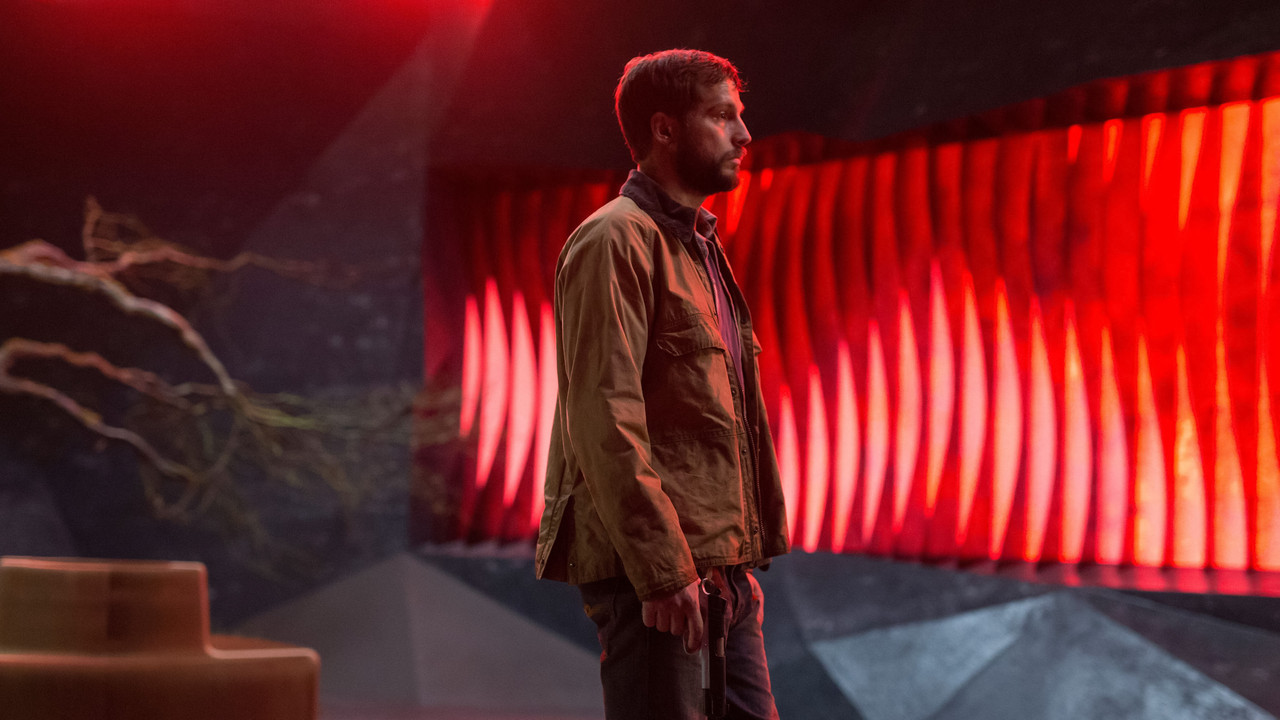
A $3 million revenge thriller from Leigh Whannell, usually filed under cyberpunk-adjacent body horror. An implant called STEM restores a paralysed man's body, then offers to take it over. The fight scenes, shot with a camera locked to a phone's gyroscope, are the film's showpiece. The world is a few props in dark rooms, and the villains are stock. But it understood that the dangerous AI wouldn't break in. It would ask permission, politely, and wait. Driverless taxis, police drones and implants that let paralysed people move a cursor have all arrived.
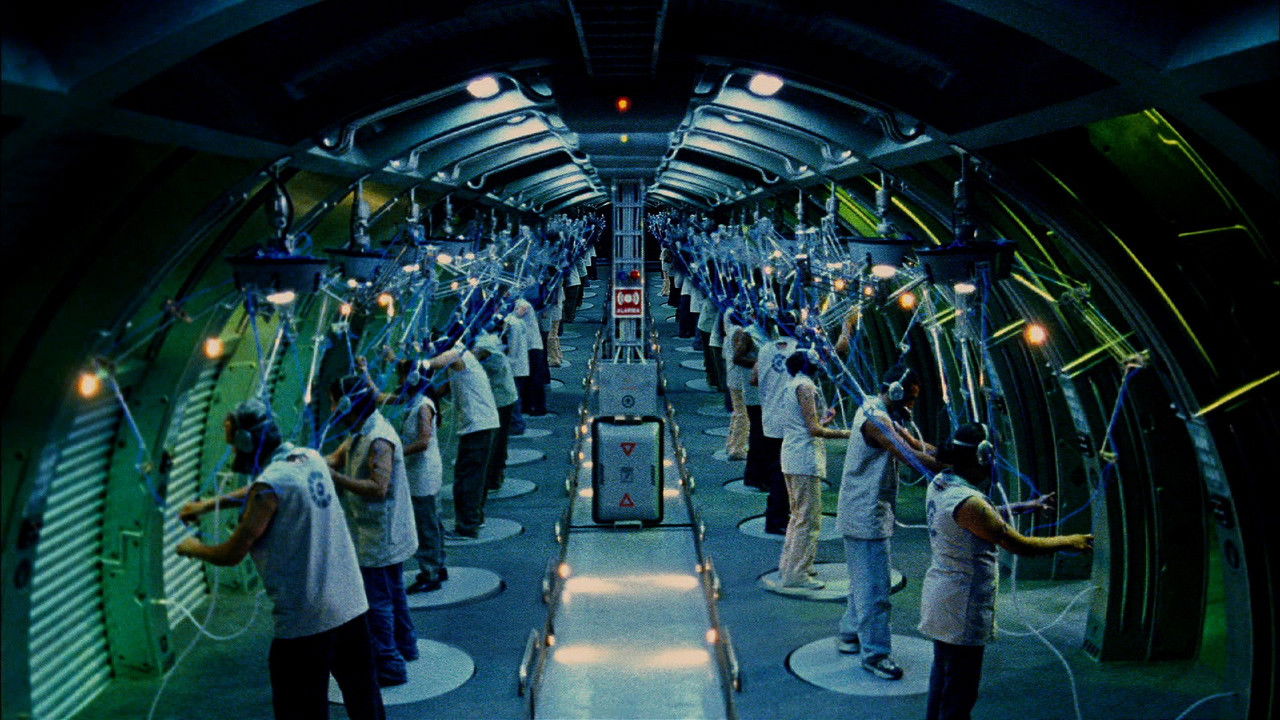
Alex Rivera's 2008 Sundance film sits at the political edge of the genre. America has sealed its border with Mexico and still wants Mexican labour, so workers in Tijuana plug into nodes in their bodies and drive robots in US factories. It's stiffly acted and bluntly plotted, but the idea, that the US gets the work without having to see the worker, was ahead of its time. In October 2025 the robotics company 1X opened orders for a home robot that owners can have guided by remote "experts". The neural ports remain far off.
What is cyberpunk?
Cyberpunk is science fiction about advanced technology in the hands of the powerful, with ordinary people living on the margins of it: hackers, couriers and low-paid workers. Its classic ingredients are networks, corporations and implants. Neuromancer (1984) is its founding text. Some works here, such as Upgrade and Sleep Dealer, sit at the edge of the genre rather than in its centre.
Which cyberpunk work was most accurate?
By our Nearness reading, Snow Crash is the only one we rate as ARRIVED, though not for its Metaverse, which was built and then half-emptied. The rest are ARRIVING. Strange Days arrived on its smaller devices (body cameras and bystander video) rather than its main one. Check each ledger on the P(n) Board.
Did *Neuromancer* predict the internet?
It predicted the scale, not the form. Gibson wrote of cyberspace used by billions in 1984, and 5.5 billion people were online in 2024. But he imagined a place you fall into, while we carry the network in a pocket and look down at it. Our review credits him for the vocabulary and the feeling, which were correct.
Is there any cyberpunk we haven't reviewed?
Plenty. We don't yet have Blade Runner or Cyberpunk 2077, and we'd like a review of each. This list only includes works with a full review and ledger, so it will grow as the archive does.