Sci-Fi About Space: 4 Stories About Mars, the Moon, Orbit and an Asteroid
A novel, two films and one real mission from our archive, ranked by score, with what each got right about who goes to space, who profits and what goes wrong.
The best space story we've reviewed is Red Mars, Kim Stanley Robinson's 1992 novel of the first hundred settlers on Mars and the politics they take with them. Next is Moon, Duncan Jones's film about a lone helium-3 miner and his employer, then Gravity, Alfonso Cuarón's orbital disaster film. The fourth pick is not fiction. It is NASA's DART mission, which hit an asteroid on purpose in 2022, and which we scored the way we score a film.
Four picks is a short list, and we'd rather give you four we have reviewed than pad it. They point the same way. The rockets are the part nobody has to worry about. Red Mars is late: its crew left in 2026, and no one has gone. What it got right was the argument over who would govern a settlement. Moon is right that the work comes with a contract, and Gravity is right that crowded orbit is a hazard with no villain. DART is the one that has been done, and it shows how much is still missing around it.
Each pick links to its full review and prediction ledger. For more from the same archive, see the best near-future sci-fi movies and sci-fi about work.
This is the one to read if you want to know what settling another planet would involve. Robinson spends his pages on committees, factions and an argument between those who want to leave Mars as it is and those who want it green. Our ledger finds the dates wrong, since a crewed landing has not happened and the planet cannot be warmed with the carbon dioxide it holds. It finds the politics right: private money and treaties nobody has finished writing. Slow, and rewarding for readers who like hard science fiction.
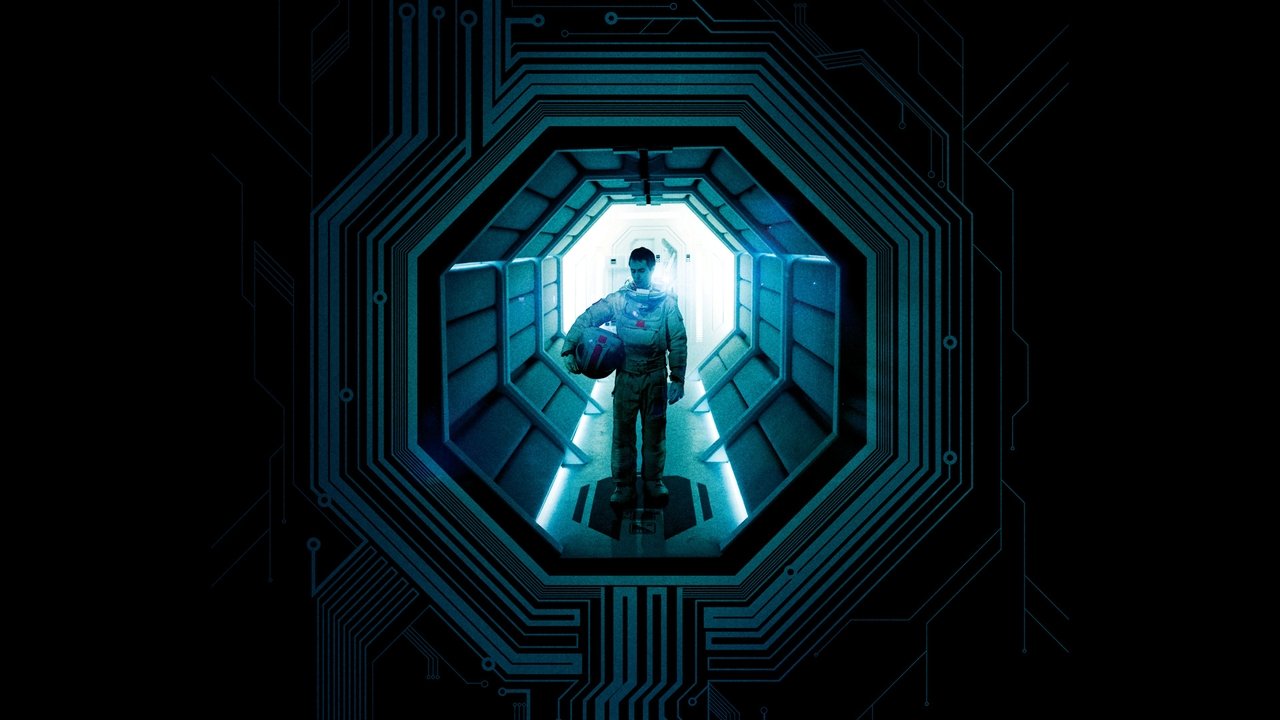
Sam Rockwell plays a man on a three-year contract at a lunar mining station, with only a robot to talk to. It cost about $5 million and was shot in 33 days, and you can see the walls. Our verdict is that the economics were the prophecy: lunar helium-3 now has paying customers and a delivery date, though for cooling quantum computers rather than powering cities. GERTY, the station's AI, is the conscience of the film. For anyone who wants something small, bleak and well made.
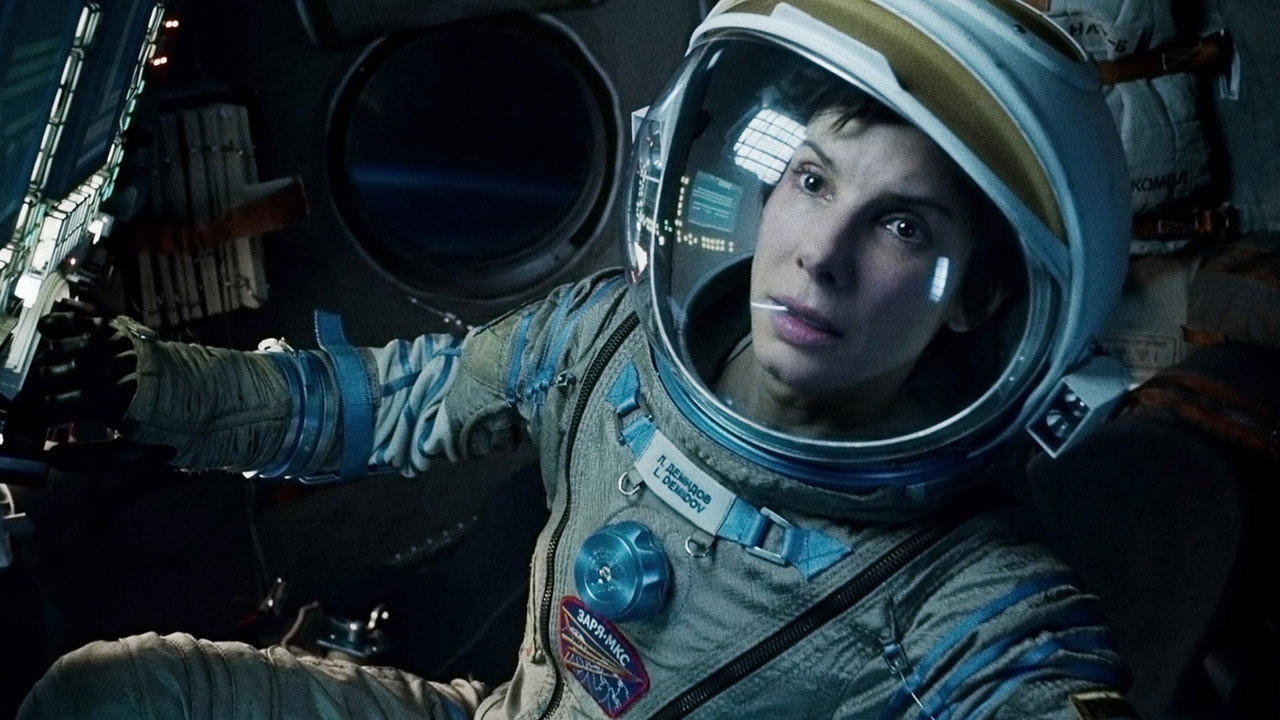
A spectacular film and a thin one. Cuarón's long unbroken shots put you inside the suit, and the story shrinks to survival once the debris arrives. The ledger gives it an ARRIVED for the hazard: in 2021 a Russian missile test forced the ISS crew into their capsules, and in 2025 a Chinese crew came home in a different ship after debris cracked their window. It scores a DIVERGED for the speed. Real debris spreads over years, not ninety minutes. Watch it for the craft and read the review for the slow version.
Not a film, but the nearest thing to a happy ending in this list. In September 2022 NASA's spacecraft hit the moonlet Dimorphos and shortened its orbit by about 32 minutes, against a success threshold of 73 seconds. We score it 8.3, and not higher because it was one shot at one pile of rubble. Our verdict is that the push worked and the rest of planetary defence did not yet: finding the rock early, a second test, and deciding who has the authority to launch.
What is the best science fiction about Mars?
Of the works we have reviewed, Red Mars by Kim Stanley Robinson, which scores 8.4. It is a novel about how a settlement is governed more than how it is built. We rate its Nearness NEAR: its 2026 departure date has passed with no crew, but the legal and corporate questions it dwelt on are the ones being argued now.
Is *Gravity* scientifically accurate?
Partly. The hazard is real: debris from destroyed satellites has forced crews to shelter. The physics of the plot is not. Hubble and the ISS do not share an orbit and cannot be reached from one another with a jetpack, and a real debris cloud spreads over years, not ninety minutes. Cuarón has said he took liberties for the story. See our review.
Has anything in *Moon* come true?
Its economics have, in part. Lunar helium-3 now has signed buyers, among them the US Department of Energy and a cryogenics maker, though nothing has yet been extracted on the Moon. Conversational AI that sounds caring is now ordinary. The cloned workforce is both prohibited and beyond current science. The full ledger has the detail.
Has a spacecraft ever deflected an asteroid?
Yes, once. NASA's DART hit the moonlet Dimorphos on 26 September 2022, and the moonlet's orbit around its parent asteroid shortened by about 32 minutes. Neither asteroid threatened Earth, so it was a test. Our review of the mission covers what is still unproven.