Sci-Fi About Inequality and Class: 5 Stories Where the Rich Have a Different Future
Five films, episodes and novels in our archive about the cure, the water, the ad-free hour and the train carriage that only some people get, ranked by score, with what each one got right.
The best sci-fi about inequality and class we've reviewed is Black Mirror's "Fifteen Million Merits", a one-room economy where you pay to skip the adverts. Close behind is Snowpiercer, Bong Joon-ho's film of a frozen world run on a single train, then Sleep Dealer, Elysium and The Water Knife.
All five follow the same move. The technology works, and it exists, and the story is about who gets to use it. In Elysium a machine cures any illness and is switched on only for the people on the station. In Sleep Dealer the labour crosses the border and the worker stays behind. In The Water Knife the river goes to whoever filed first.
Our ledgers show a pattern. The gadgets mostly haven't arrived: nobody has a Med-Bay, a pedal-powered grid or a nerve-linked factory. The rules about access did. Rationed health care, priced water, paid skipping and remote labour are all in our ledgers as arrived or arriving. The writers who bet on the paperwork beat the writers who bet on the machine.
Each pick links to its full review and ledger. For the same stories seen from the border, see sci-fi about borders and migration, and for the work itself, sci-fi about work.
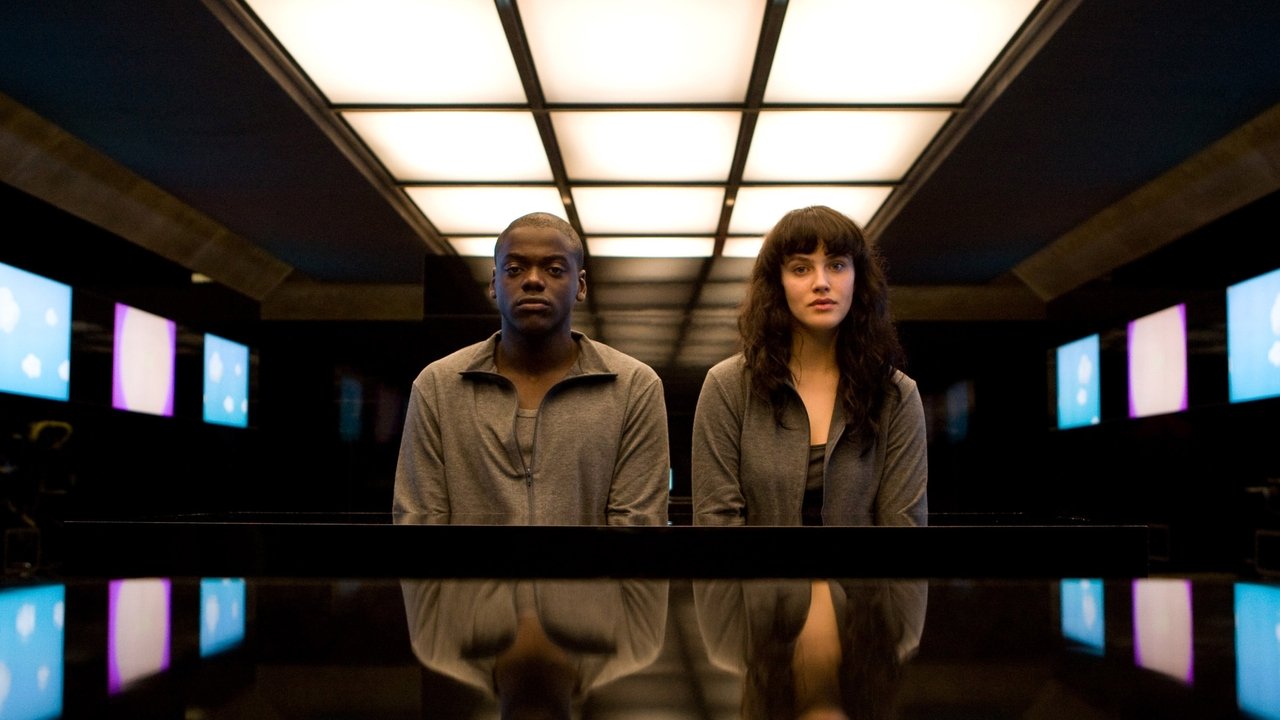
In this world you can't look away from an advert. You pay to skip it, and a talent contest is the one way out of a life on a pedal bike. The bike grid is physically absurd, and the episode doesn't care. The prophecy was the fee: YouTube sold 30-second ads that can't be skipped on its TV app in March 2026, while charging £12.99 a month to remove most of them. The contest was already real in 2011 and has only grown. It's a one-set drama, carried by Daniel Kaluuya, and it saw that inequality could be sold as a menu.
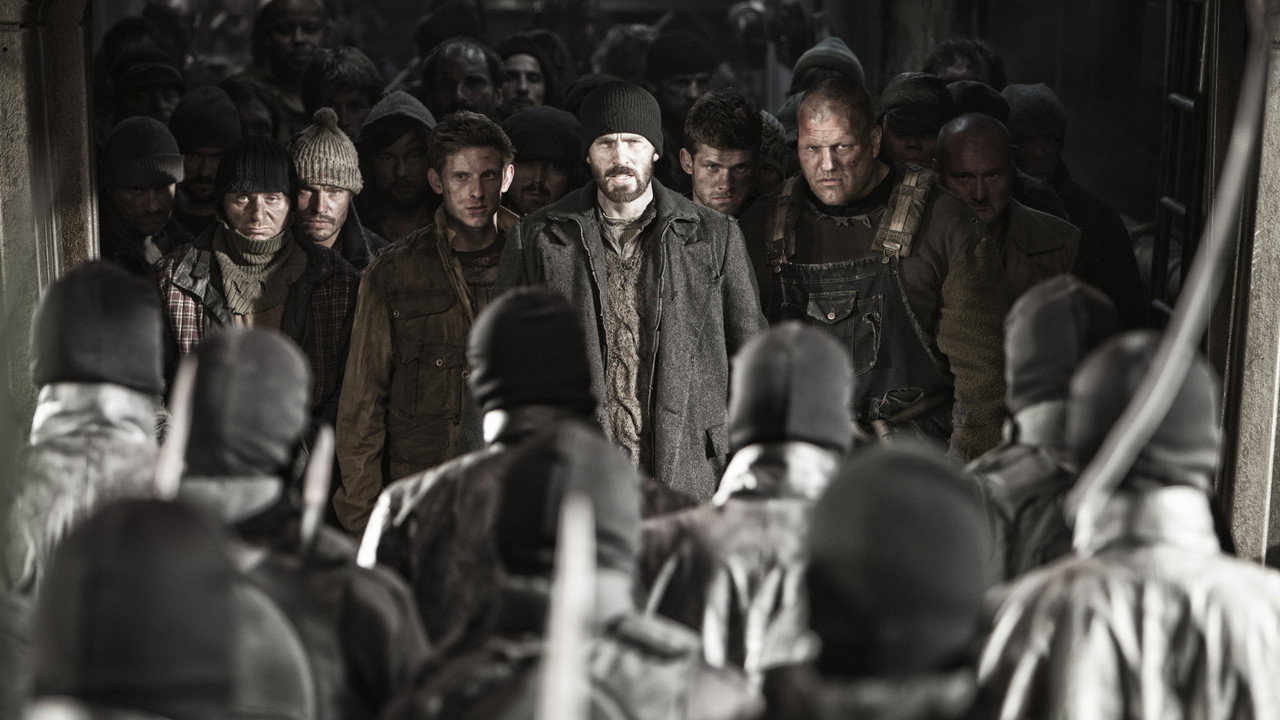
The last of humanity rides a train round a frozen Earth, and the people at the back work their way forward one locked door at a time. The ice age is a premise, not a forecast, and the sealed ark is far off. What the film got right is the question underneath: someone decides to adjust the thermostat for everyone, and nobody under it gets a vote. Small-scale solar geoengineering has already flown from Mexico, sold as a carbon-offset product, which is closer to a start-up with a balloon than a government in a panic. The final speech is the weakest scene.
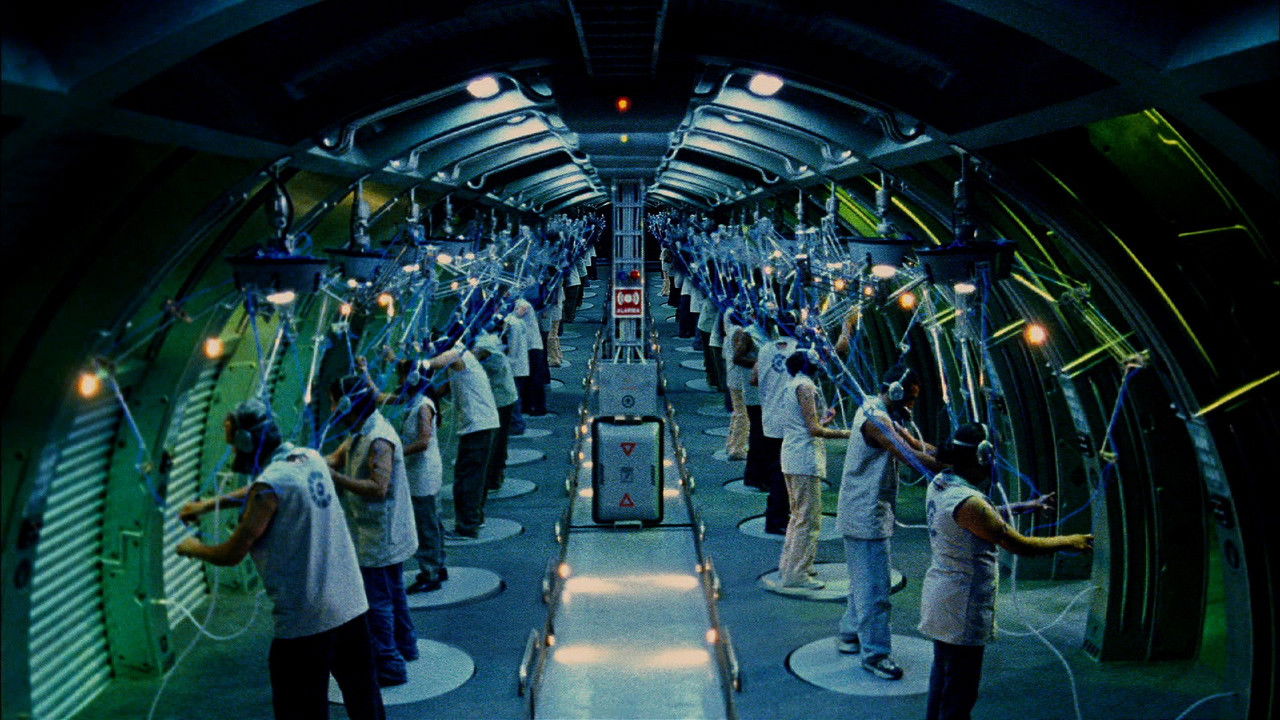
America has sealed its border and still wants Mexican labour, so workers plug into nodes in Tijuana and drive robots in American factories. It's stiffly acted and bluntly plotted, and its central idea is the sharpest in this list: the US gets the work and never has to see the worker. The nodes are still fiction. The arrangement isn't. Waymo's robotaxis call on remote human agents when stuck, and 1X sells a home robot with a human "expert" to guide it. Water rights now have a price index too.

The rich live on a station in orbit, and the cure for every illness hangs in the sky above the slum. The film spends its second half on an exoskeleton fistfight, and its ending undoes by download what it showed as politics. The Med-Bay is nowhere close. The list is the prophecy, and it was already true on release day: the WHO and World Bank estimated that about 4.5 billion people lacked full coverage of essential health services in 2021. The cure may exist. The question is who is on the list.
Arizona loses the Colorado River and Nevada keeps it. Las Vegas has sealed arcologies, Phoenix's poor drink from Clearsacs, and the most valuable object in the book is an old legal claim. The thriller is the weakest thing in it, which is why it scores 5.9. As prophecy it is right in the boring places: shortage cuts began in 2022, Scottsdale cut off the Rio Verde Foothills in 2023, and tribal water rights are now paid for. Lawyers fought the water war. Helicopters did not.
What is the best sci-fi about class and inequality?
On our scores, Black Mirror's "Fifteen Million Merits" (8.1) and Snowpiercer (7.9) lead. The first is the better fit for the present day, because it saw that being able to pay to skip something could be a whole economy. Snowpiercer is the better picture of a class system, because every door in the train is a border. Read the full Fifteen Million Merits review first.
Did any of these stories predict real inequality?
The access rules, yes. Elysium's ledger marks rationed health care as arrived. Sleep Dealer's ledger has priced water as arrived and remote labour as arriving, and "Fifteen Million Merits" has paid ad-skipping as arrived. The machines are another matter: the Med-Bay, the pedal grid and the sealed ark are all marked far off. See the P(n) Board for the full claims.
Is Snowpiercer realistic?
Not as physics. Our ledger marks the global ice age and the sealed, self-sustaining train as far off. Insects sold as mass-produced protein are marked as arrived, and deliberate stratospheric cooling is marked as arriving. The class system is the part that carries over, and it's why the film earns its 7.9.
Where should I go next?
For the stories about who gets let in, try sci-fi about borders and migration. For companies that decide what you can do on their terms, try sci-fi about work and sci-fi about climate and scarcity.