Sci-Fi About Food and Farming: 5 Stories About Who Owns What We Eat
Five films and novels from our archive about lab pigs, seed monopolies, crop blights and insect protein, each checked against what has actually reached the plate.
If you want science fiction about food, start with Paolo Bacigalupi's The Windup Girl, then watch Okja and read Margaret Atwood's Oryx and Crake. Between them they cover the four things the genre keeps asking about the future of eating: who owns the seed, who sells the meat, what gets engineered and what happens when the crops fail.
The surprise from our ledgers is how well the commerce has aged and how badly the catastrophes have. Seed ownership, gene-edited pigs, cultivated chicken and insect protein are all real in some form. A global blight that ends farming, an ice age from a cooling experiment and an engineered plague are not. The writers were better at the sales pitch than the apocalypse.
Every pick below is a work we've reviewed, with a score out of 10 and a Nearness reading that says how close its future is. Each links to a full review and a claim-by-claim ledger. Food is a thin corner of our archive, so this is a short list, and we'd rather give you five we've checked than twelve we haven't.
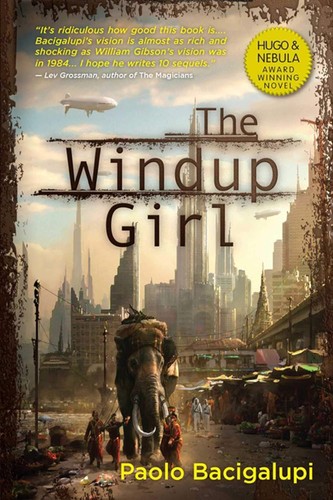
Bacigalupi's drowned Bangkok has no oil, a seedbank worth killing for and a food supply with a landlord. The landlord is the part that arrived: in the US, two firms held over half of corn, soybean and cotton seed sales in 2018 to 2020, protected by patents rather than the book's sterile seed. Crop plagues and sinking capitals are arriving too. The engineered servant of the title has no path. Scores 8.1.
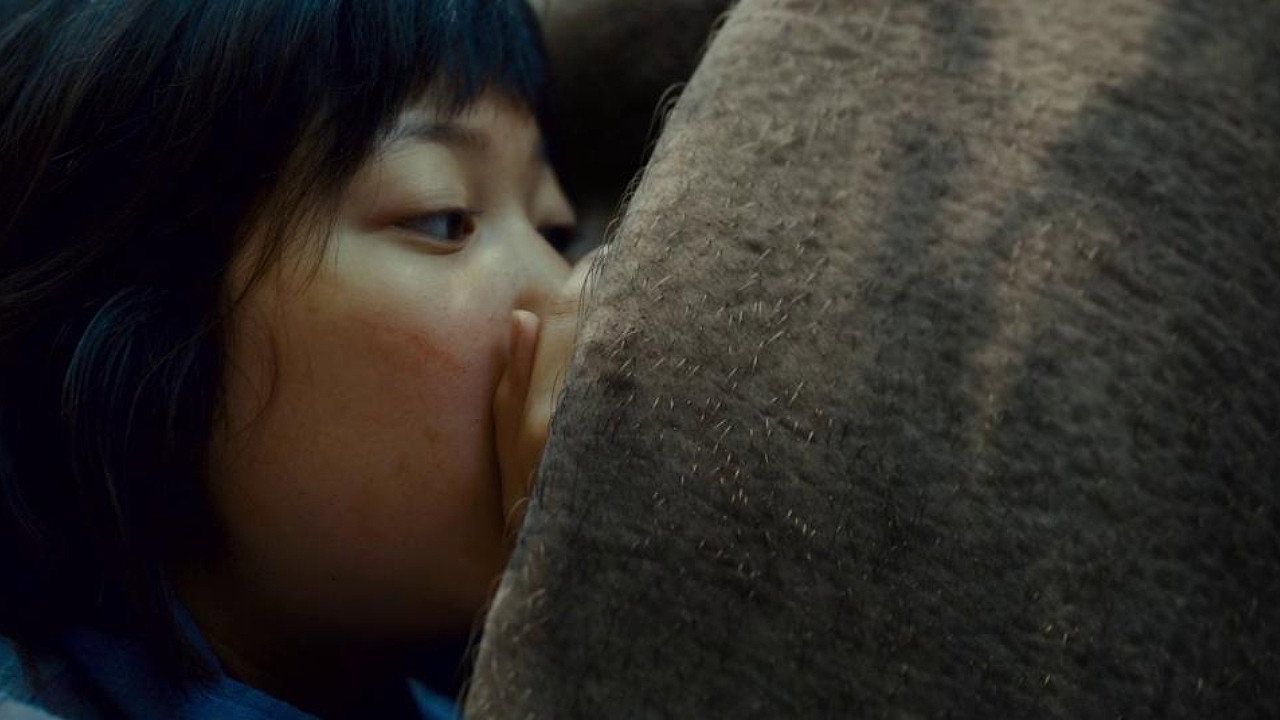
Bong Joon-ho's monster movie is a girl-and-her-pig story wrapped round a sharp point about branding. The giant, efficient super pig doesn't exist, but gene-edited pigs and cattle are cleared for food in the US, and cultivated chicken was cleared for sale in 2023. The fight over the film's word, natural, is now being held in legislatures, with several US states banning the product. Scores 8.0.
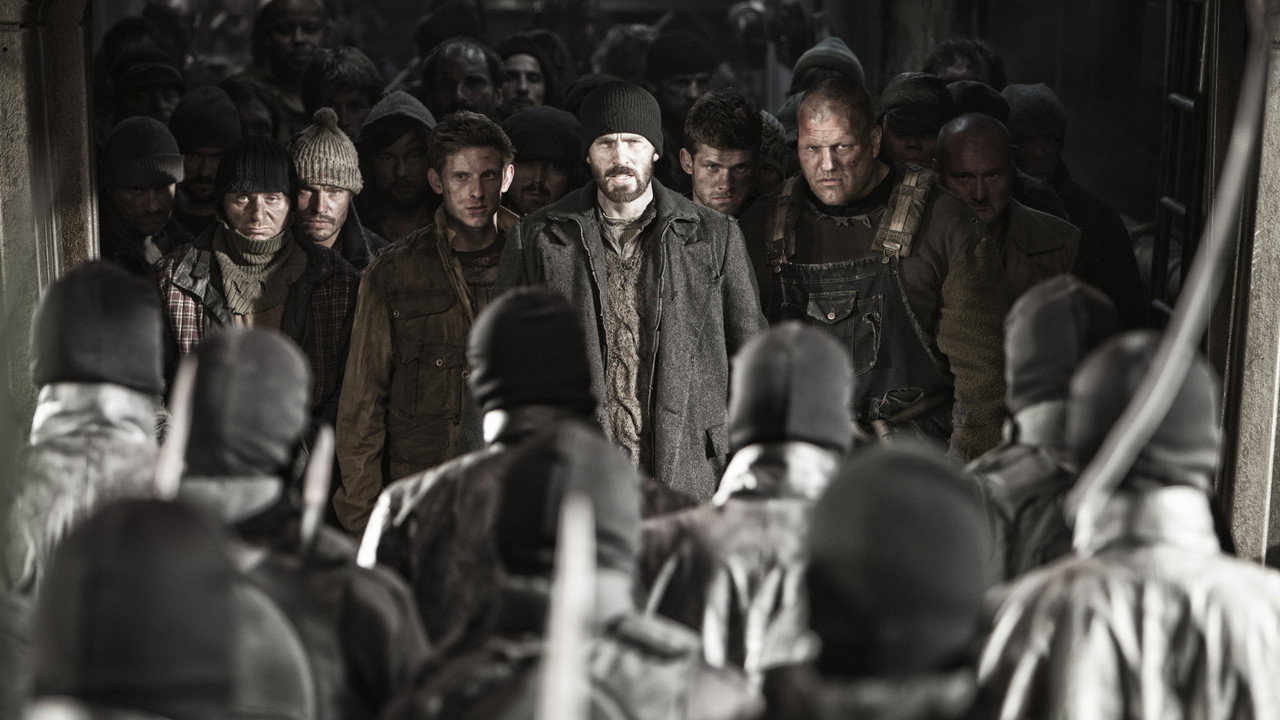
Mostly here for the grimmest line on its menu. The film's insect-based protein food was fiction in 2013, and in 2022 the EU authorised frozen, dried and powdered crickets and mealworms as novel foods. The rest is far off: nothing known could freeze the planet, though small-scale stratospheric cooling experiments have flown. A class war with a thermostat for a plot. Scores 7.9.

Nolan's dying Earth loses its staple crops one blight after another until only corn is left. That is the part we mark FAR: real crop diseases cause partial, regional losses, not a global end to farming. The film's quiet farm detail is the accurate one. Deere showed a fully autonomous tractor in January 2022, started from a phone app. Scores 7.9.
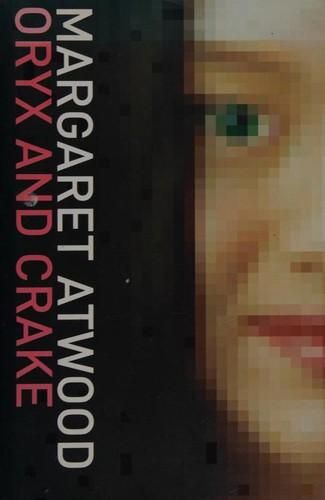
Atwood's 2003 novel got the commerce right and the apocalypse wrong. Gene-edited pig kidneys are in clinical trials, cultivated chicken is cleared for sale and AI models have designed working viruses for bacteria. A single insider killing most of humanity, and a designed replacement species, have no credible path in our ledger. The most Nearfi book here, and the coldest. Scores 7.6.
What are the best sci-fi books about food?
In our archive, The Windup Girl (8.1) is the strongest, followed by Oryx and Crake (7.6). Both are about who controls biology as a business. For water, the thing farming runs on, see sci-fi about climate and scarcity.
Has lab-grown meat really arrived?
Yes, in a small way. The USDA cleared Upside Foods and Good Meat to sell cultivated chicken in June 2023, and the UK cleared cultivated meat for pet food in July 2024. Sales are tiny, and several US states have banned it; Florida's ban was upheld on appeal in March 2026. See the Okja ledger.
Is the seed monopoly in *The Windup Girl* real?
Partly. Two firms held over half of US corn, soybean and cotton seed sales in 2018 to 2020, and patent law stops farmers replanting saved seed from patented crops. The sterile seed that locks farmers in by biology has not been commercialised. See the ledger.
Could a global crop blight end farming, as in *Interstellar*?
Our ledger marks it FAR. Crop diseases are real and costly, but losses are partial and regional. Wheat blast reached Bangladesh in 2016 and Zambia in 2020. The full check is in the review.