Sci-Fi About Clones and Genetic Engineering: 4 Stories About Making and Sorting People
The films and novels in our archive about cloning, designer embryos and genetic sorting, ranked by score, with what each got right and which technology never arrived.
The best sci-fi about clones and genetic engineering we've reviewed is Never Let Me Go, Kazuo Ishiguro's novel about cloned children raised to give up their organs. Stand on Zanzibar comes next, John Brunner's 1968 novel of a crowded world that licenses who may have children. Then Moon, Duncan Jones's film about a miner who is a replaceable clone, and Gattaca, Andrew Niccol's film about a society that ranks people by their DNA.
All four are works we've reviewed, with a score, a Nearness reading and a prediction ledger. They split into two groups. The clone stories, Never Let Me Go and Moon, rest on a technology that hasn't arrived: our ledgers rate human cloning FAR in both. The sorting stories, Gattaca and Stand on Zanzibar, are more accurate about the tools and wrong about who would use them. In both, the state's genetic licence became a private clinic with a price list.
That is the pattern worth reading them for. The fiction was weak on the lab and strong on the institution that benefits. For companion lists, see sci-fi about work and sci-fi about AI.

Kathy, Ruth and Tommy grow up at Hailsham, a boarding school in an alternative England, and are raised as organ donors. Nobody has cloned a person, and the law forbids it in the UK, so the technology has diverged. The need has been met another way: in 2024 surgeons transplanted a gene-edited pig kidney into a living patient, and England made most adults potential donors by default from 2020. The novel's real subject is how institutions get the people they use to agree. It is the highest-scoring work here.
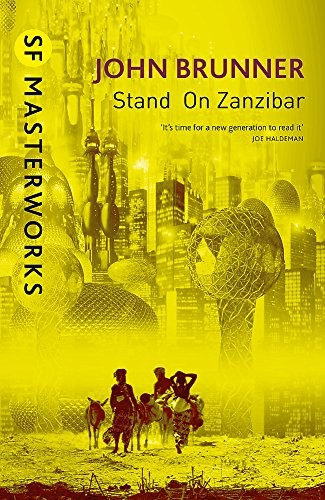
Brunner's 2010 is a world of seven billion people, routine mass shootings and a corporate super-computer, and he got all three about right. His America also controls overcrowding by eugenic law, which our ledger rates DIVERGED: no democracy licenses parenthood by genome. Genetic selection arrived by the private route, as embryo screening sold to IVF patients. The book is a thousand-dart method in a collage of headlines, and it is a demanding read. Pick it for the idea that the market, not the state, would do the sorting.
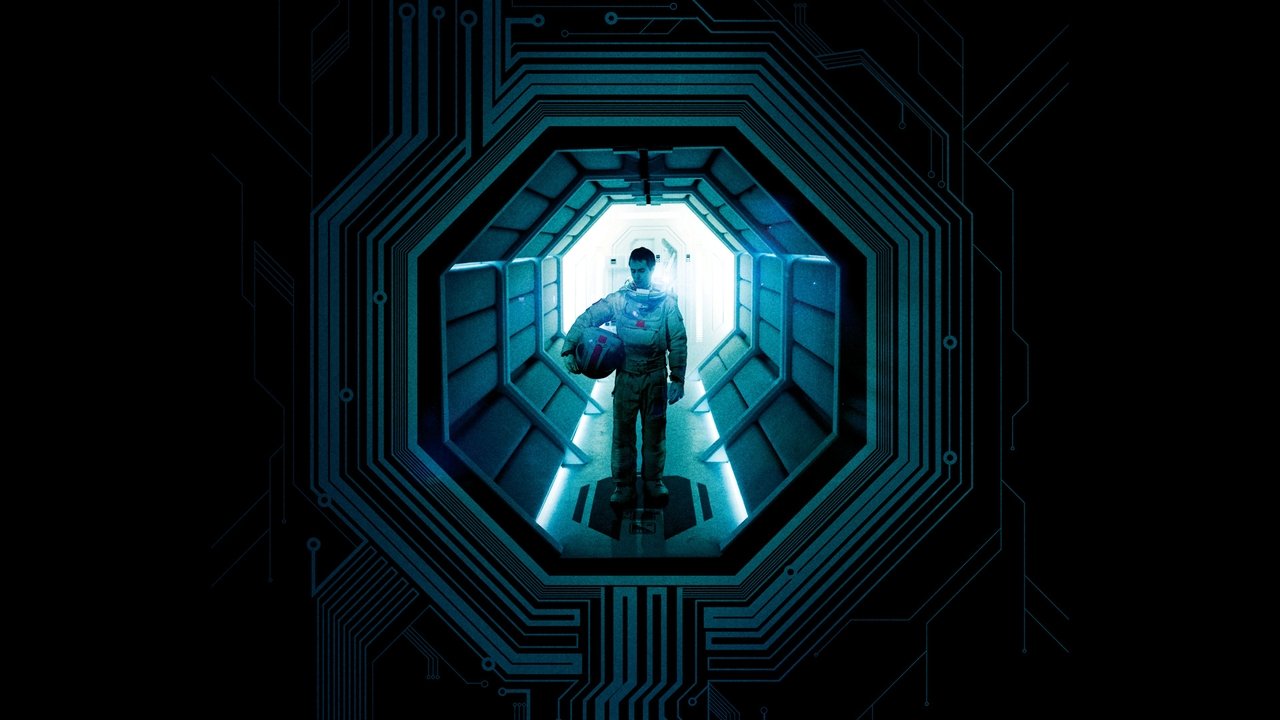
Sam Bell is alone on a lunar base, mining helium-3 on a three-year contract. He is one of a line of clones with implanted memories, swapped out when worn down. Our ledger rates that claim FAR: primates have been cloned since 2018, but nothing like a lifetime of memory has been written into any brain. What has arrived is the AI companion, and the replaceable worker, managed by software. A small film, a little tidy at the end, and the clone is a metaphor for the contract.

Vincent, born the old way, borrows another man's DNA to get into a space programme. The film's instruments were close to exact: polygenic embryo screening is sold commercially, rapid DNA tests give a result in about 90 minutes, and Genomics England is sequencing 100,000 newborns. Its villain was wrong. Employers screening DNA is rated DIVERGED, because laws such as the US Genetic Information Nondiscrimination Act banned it in 2008. The sorting moved to the fertility clinic, where the parents are the gatekeepers. The lowest score here at 7.1, for a schematic plot.
Is human cloning possible?
Not in practice. Primates have been cloned by the Dolly method, with two macaques born in China in 2018, but the process is inefficient. Reproductive human cloning is illegal in the UK and many other countries, and our ledgers for Never Let Me Go and Moon both rate it FAR. No credible programme exists.
Is *Gattaca* realistic?
Its technology is closer than its society. Embryos ranked by predicted disease risk are on sale, though the science behind the scores is weak and they predict little. Its worst case, employers screening your DNA, has been outlawed in the US and bypassed by UK insurance codes. See the P(n) Board for each claim.
Are designer babies real?
In a limited form. Companies sell polygenic embryo screening to IVF patients, and at least one child had been born after such selection by December 2021. Nobody has designed an embryo to order. The tool selects among embryos; it doesn't write a genome. Our Gattaca and Stand on Zanzibar ledgers cover the evidence.
Which of these stories predicted the most?
Stand on Zanzibar is rated ARRIVED, and its headcount, mass shootings and corporate super-computer all turned up roughly on schedule. On genetics specifically, Gattaca is the closer match for the tools, and Stand on Zanzibar for who runs them.