Sci-Fi About Pandemics and Collapse: 6 Stories About How Societies Fray
The films, series and novels in our archive about plague, scarcity, heat and political breakdown, ranked by score, with what each got right and where the collapse never came.
The best sci-fi about pandemics and collapse we've reviewed is Children of Men, Alfonso Cuarón's film about a Britain in its last generation. Station Eleven is the best pandemic story, an HBO Max series about the world after a flu. Contagion is the most accurate, Steven Soderbergh's 2011 film about a virus and the rumours that outrun it.
Six works made the list, each with a score, a Nearness reading and a prediction ledger. Read together, they show a pattern. Fiction tends to stage collapse as an event: a single flu, a single bank run, a single border closing. The real versions arrived as policy. Our Contagion ledger has every central claim ARRIVED, while the Station Eleven ledger rates its total collapse FAR, because the real pandemic killed about one person in five hundred and the infrastructure kept running.
So the stories to read are the ones that got the machinery of the breakdown right: the quarantine, the shortage order, the detention barge. The disasters came less often. For more, see sci-fi about borders and migration and sci-fi set in the 2020s and 2030s.
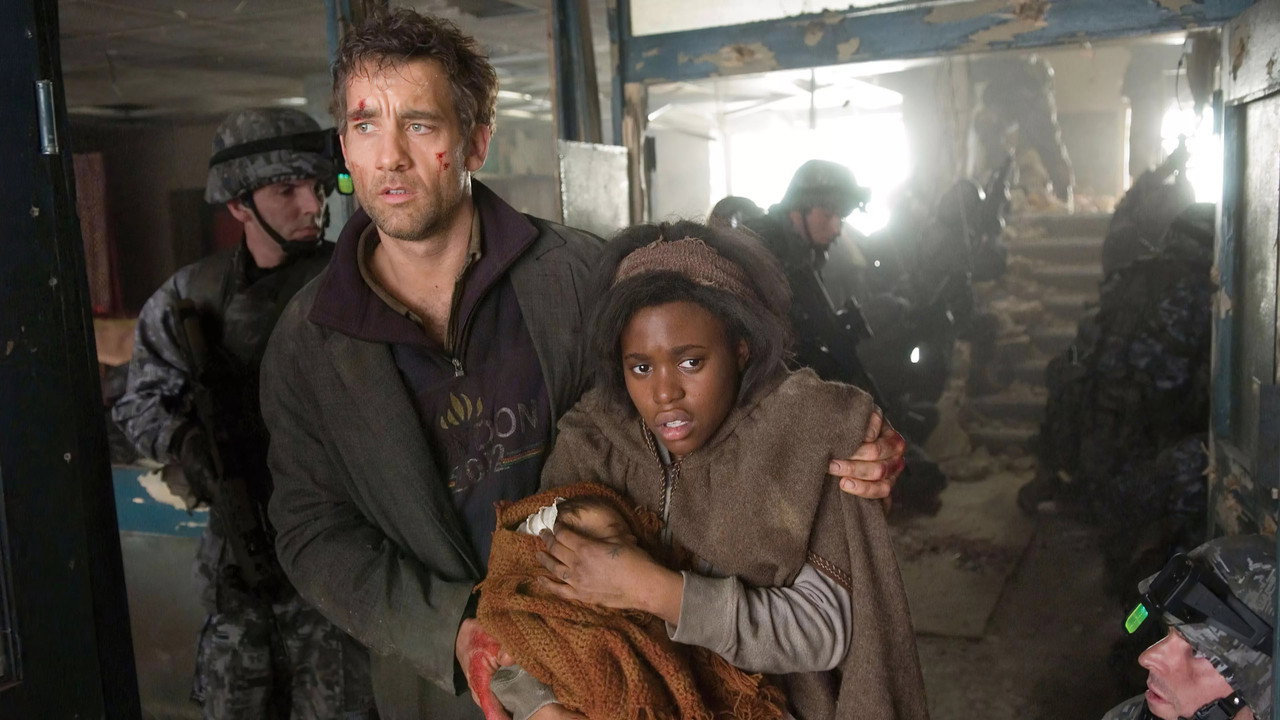
No child has been born for nearly two decades, and Britain has answered with detention camps, deportation and state-supplied suicide. The infertility is rated FAR: there is no known mechanism, and births fell because people chose to have fewer children. Almost everything around it has moved closer, from South Korea's 0.72 fertility rate in 2023 to the Bibby Stockholm asylum barge. Set in 2027, which is next year. The best-made film in our archive, and the best place to start.
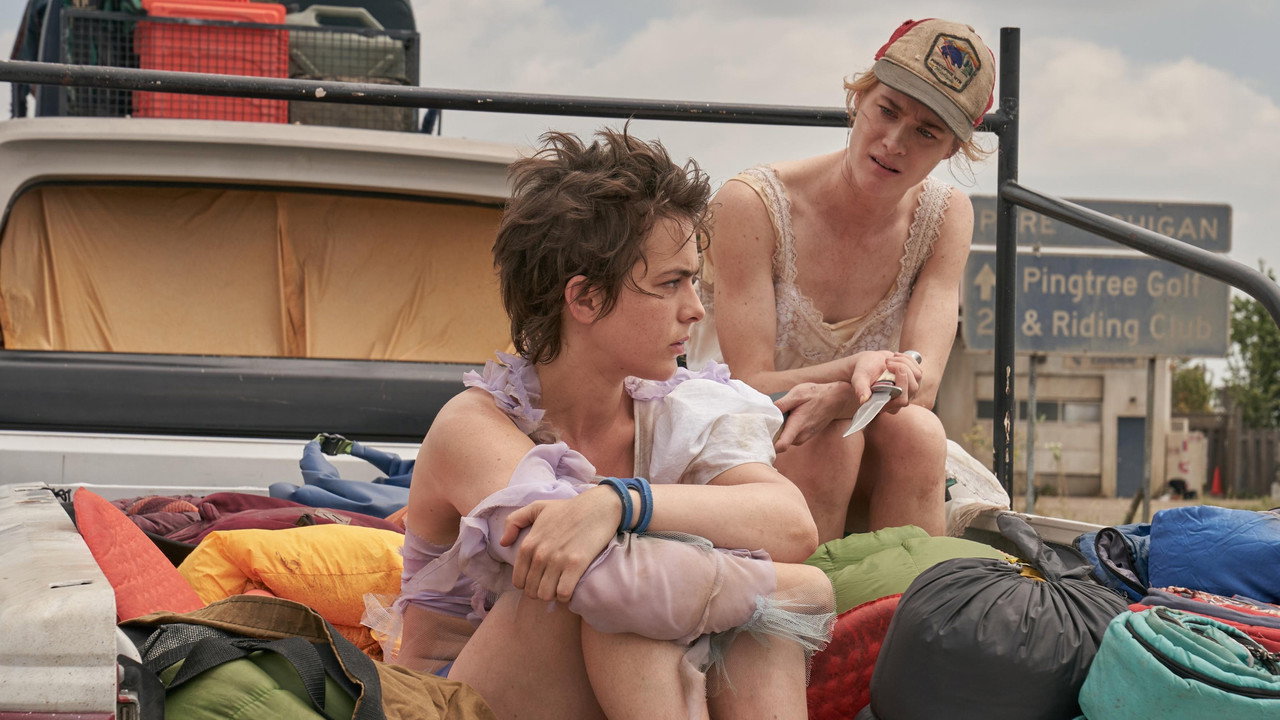
A flu kills most of humanity within weeks, and a travelling company of actors keeps Shakespeare alive twenty years later. The total collapse is rated FAR. The first weeks of the story arrived almost scene for scene in 2020, from grounded flights to the Diamond Princess quarantine, and global passenger demand fell 94.3% in April. The show is gentle where most end-of-the-world stories are grim, and it is the most useful of them: it asks what we would want to keep.
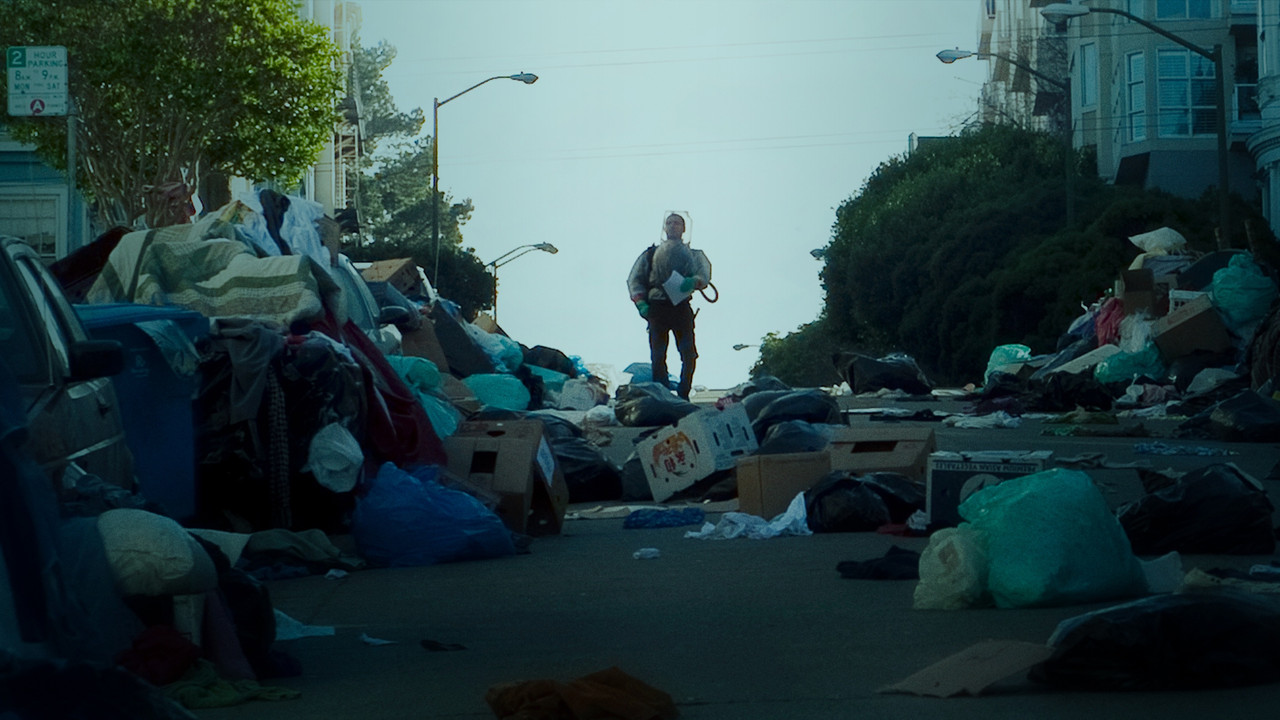
A bat-linked virus spreads from Hong Kong across the world, and a blogger sells a fake cure. The film is the most accurate in our archive: the virus, the vaccine in under a year, the bogus remedy and the vaccine pass all turned up between 2020 and 2021. It missed the public. Its virus was far deadlier than COVID-19, and the real fight was over trust in vaccines. Watch it for the procedure, with Soderbergh's camera lingering on hands and surfaces.
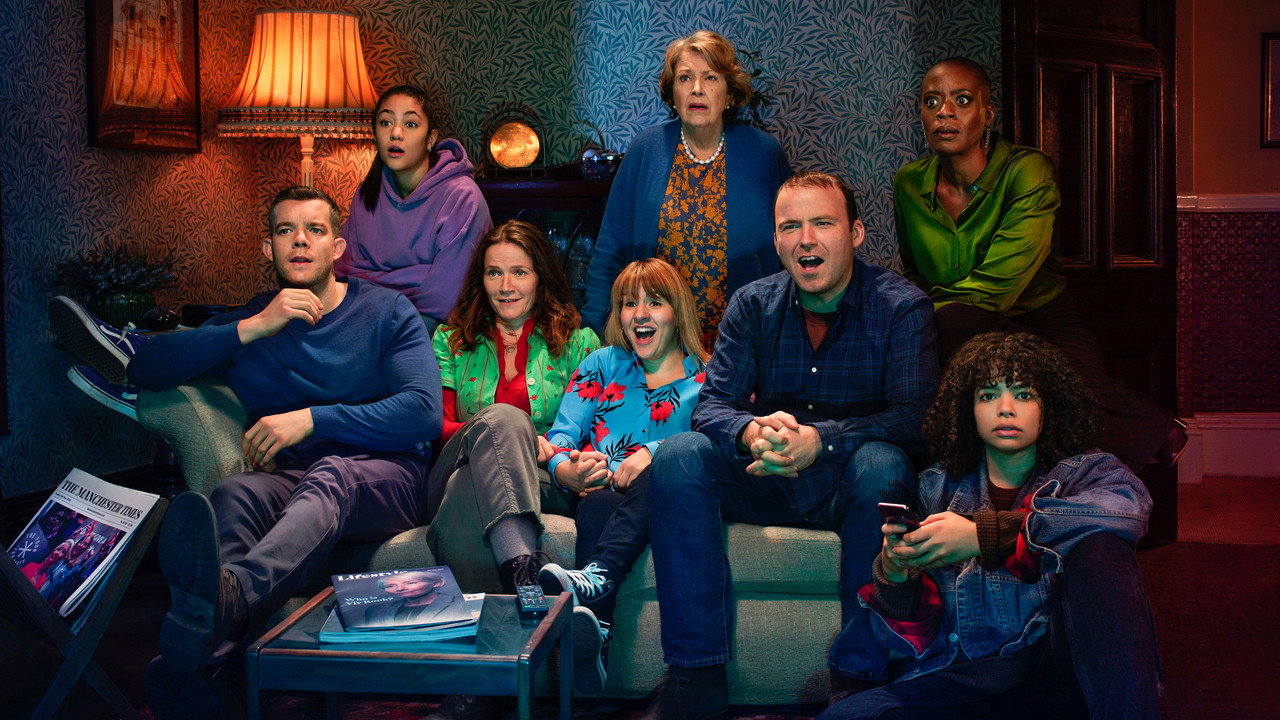
Russell T Davies follows a Manchester family from 2019 to 2034. Trump's second term, millions of Ukrainian refugees and the failure of a US bank all arrived within a few years of the show's dates. The ledger also records where the collapse stopped. The bank failure's trigger arrived almost exactly, with Silicon Valley Bank in March 2023, but depositors were rescued rather than ruined. The show's call that AI would take office jobs is still unproven. It is about people, not headlines.
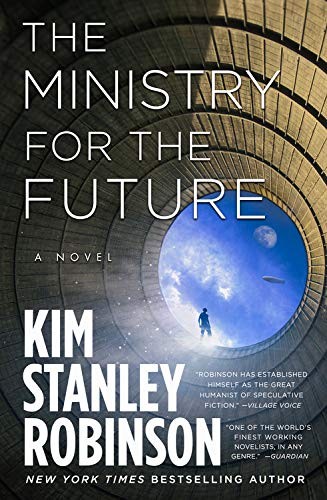
Kim Stanley Robinson opens with a heatwave in India that kills millions, then follows a small Zurich-based body, set up under the Paris Agreement, to speak for generations not yet born. The shape of the arguments was right: humid heat at the edge of survival, central banks drawn into climate policy, geoengineering by whoever moves first. The death toll hasn't arrived, and the carbon coin and glacier drilling are still on paper. It reads, as our review says, like a meeting. A 6.8, for the way it argues the case more than the way it tells it.
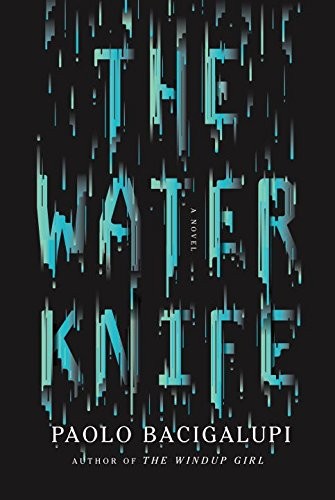
In Paolo Bacigalupi's American Southwest, water rights decide who gets to stay. The thriller is the weakest part, hence the 5.9, but the machinery is reporting: Lake Mead's first-ever shortage declaration in August 2021, Scottsdale cutting off about 500 homes in Rio Verde Foothills in 2023, and tribal water rights now paid for. The violence has not happened. No state has closed its border to another, and Phoenix is still growing.
What is the most realistic pandemic fiction?
Contagion. Our ledger rates all four central claims ARRIVED: a bat-linked virus, a vaccine within a year, an online cure and a vaccination pass. Its virus was deadlier than the real one, and its misinformation came from one blogger rather than a whole ecosystem.
Could a pandemic really end civilisation, as in *Station Eleven*?
Not on the evidence so far. The COVID-19 pandemic was associated with about 14.9 million excess deaths in 2020 and 2021, roughly one person in five hundred, and power and communications stayed on. Highly lethal avian flu strains exist, but none has shown sustained human-to-human spread.
Is *Children of Men* a prediction about falling birth rates?
Only partly. Human infertility has no known mechanism, and our ledger rates it FAR. But governments treating low birth rates as an emergency has arrived: South Korea's fertility rate reached 0.72 in 2023. See the P(n) Board for the full ledger.
Is there climate sci-fi that gets the near future right?
Two of these do, in different ways. The Ministry for the Future is stronger on arguments and policy, and The Water Knife on the dull machinery of scarcity. Both are rated ARRIVING, with their worst violence still to come, or not.