Sci-Fi About Memory: 4 Stories About Recording, Replaying and Splitting What We Remember
Four reviewed stories about recording everything, replaying other people's lives and cutting work memories off from home ones, and what each got right.
For sci-fi about memory, watch Black Mirror's "The Entire History of You", then Strange Days, After Yang and Severance. The first is about a marriage with a perfect archive. The second is about a city addicted to recorded experience. The third is about an android who kept a few seconds of every day. The fourth is about a workforce whose memories are split in two.
None of them predicted a memory implant, and none got one. The brain chip in Severance is still science fiction, and so is the Strange Days recorder. What they predicted, correctly, was what we'd do with the tools that arrived instead: phones that remember, screen-recording software, wearable microphones and cameras that turn evidence into something anyone can film.
Picks are ranked by how much the story understood about recorded life, with our score as the tiebreaker. Each links to a full review and a ledger of its predictions.
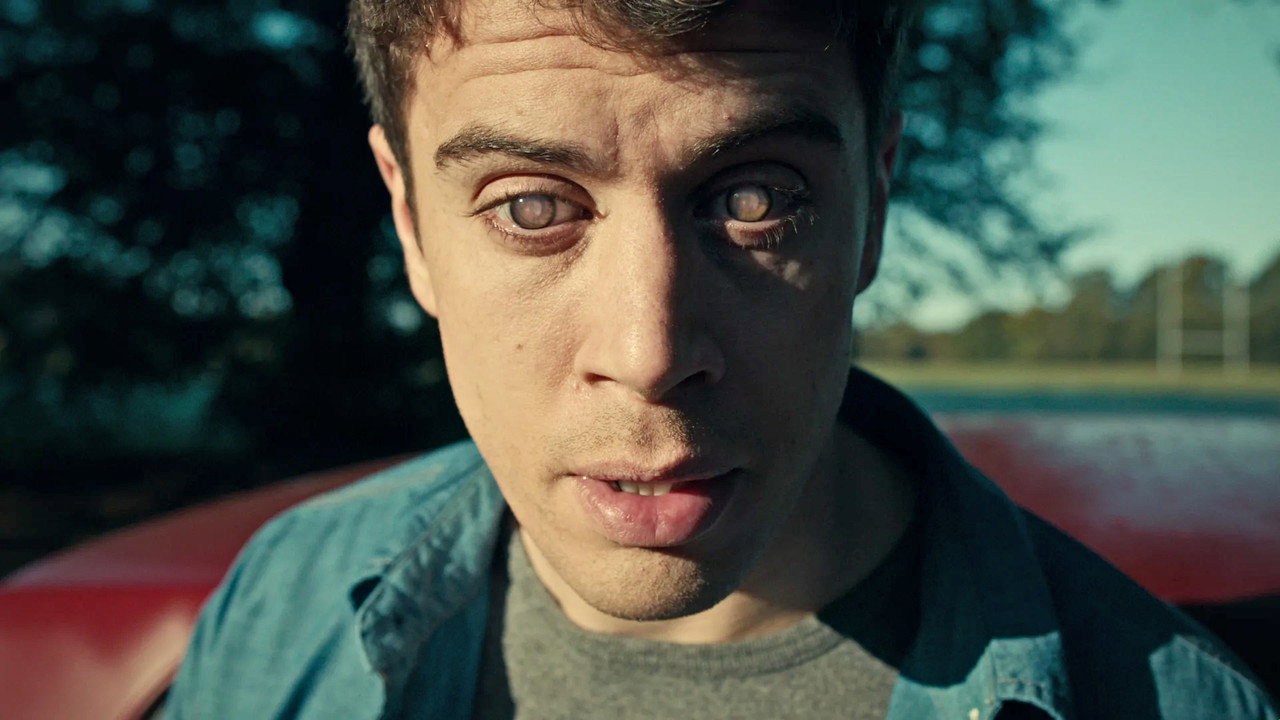
Liam can replay anything he has seen, and so he can't stop. One bad appraisal, one laugh at a dinner party, and he is prosecuting his own marriage. Written by Jesse Armstrong in 2011, it saw that a perfect record wouldn't end arguments, only make them endless. The grain arrived in pieces: Microsoft's Recall in 2025, wearable recorders, border searches of devices. The implant didn't, because the phone got there first. The most tightly written episode of the show.
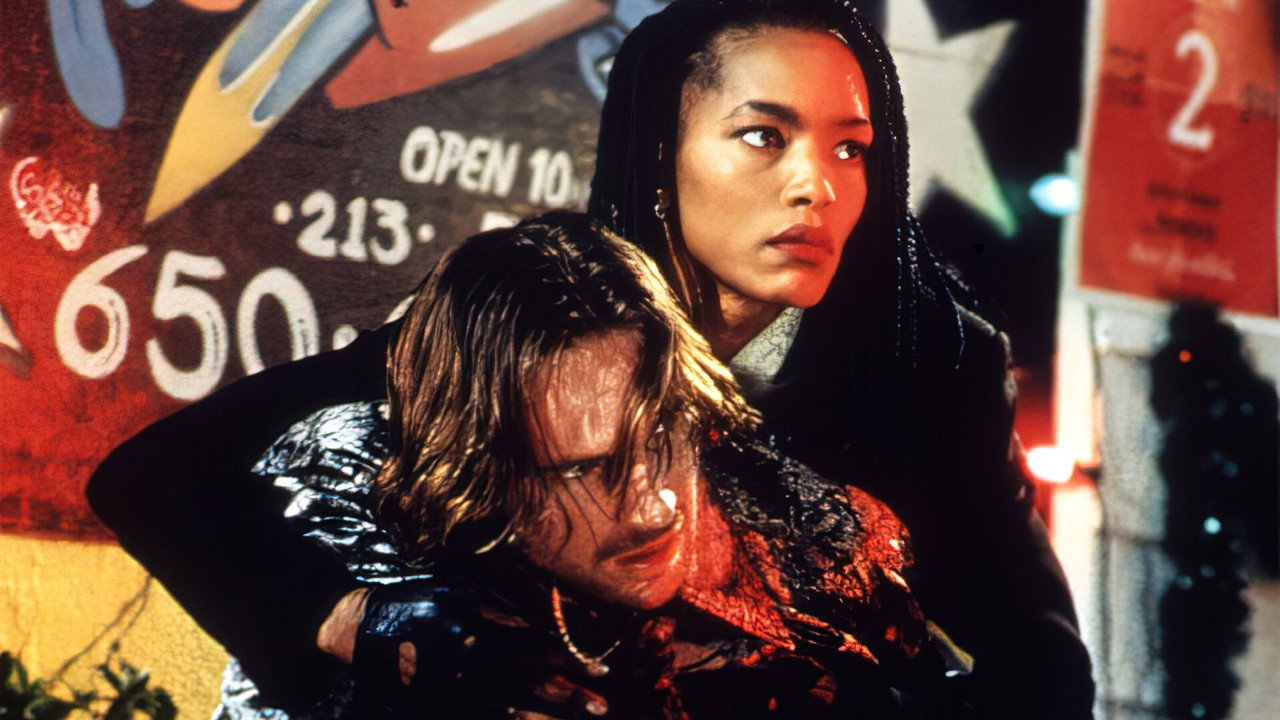
Kathryn Bigelow's 1995 film is set over the last two days of 1999, in a Los Angeles where recordings of other people's experiences are sold like a drug. It's ferocious, messy and has a wish-fulfilment ending. But its real prophecy was the tape that convicts: footage of police killing a man, and the fight over who gets to see it. In 2020 a teenager's phone video did that. Angela Bassett is the reason to watch.
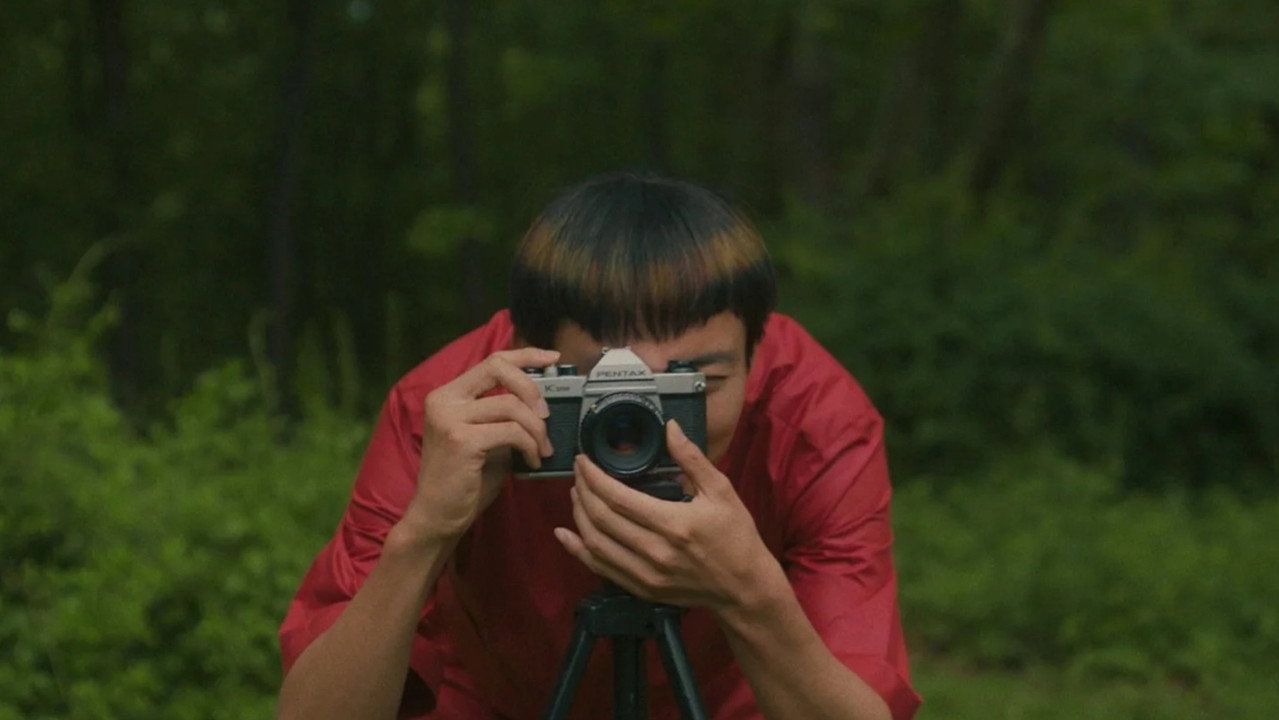
A broken android turns out to have kept a few seconds of each day, and the film becomes a man watching someone else's memories: sunlight through leaves, a laugh, a child asleep. It's the generous counterpart to the surveillance stories. Real devices have kept the wrong things, such as the Siri recordings that contractors heard in 2019. Yang kept the light on the leaves. A quiet film, and one that treats memory as something chosen rather than stored.
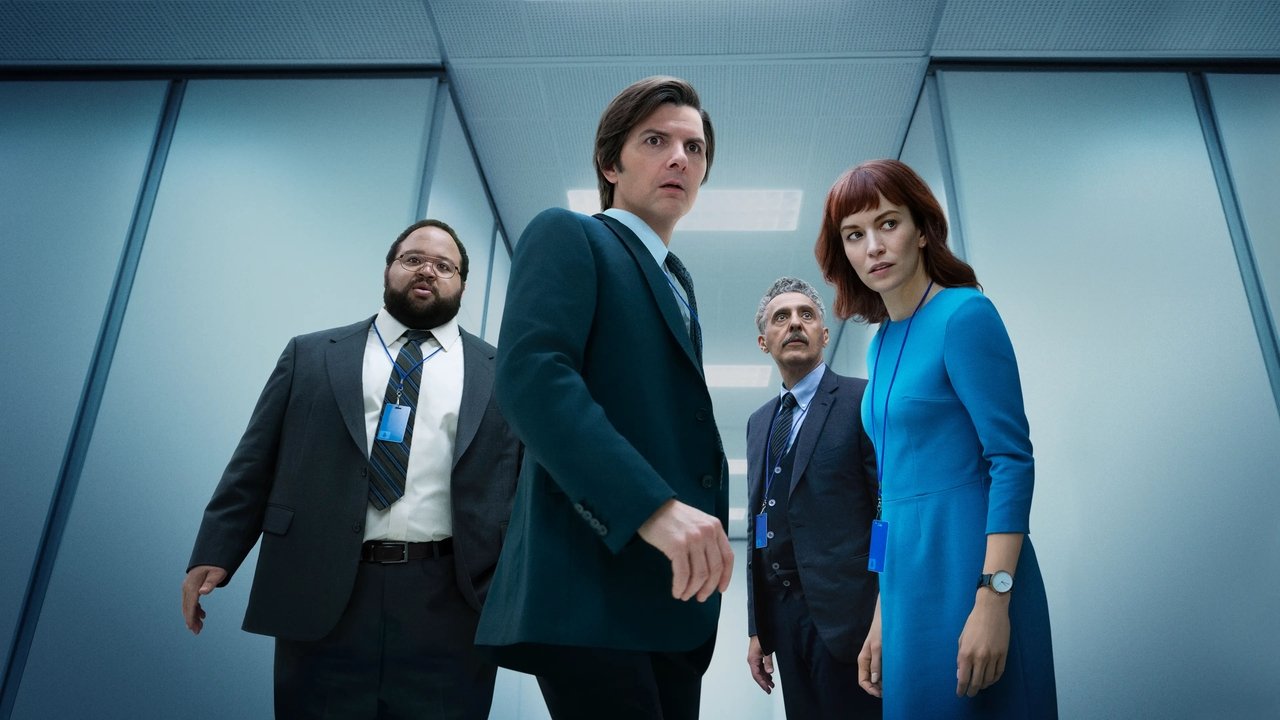
Lumon's employees have their work and home memories split by a chip. The chip is the least prophetic part. What the show got right is the workplace around it: progress bars, "bossware" and idle-time reports, voluntary implants for staff and the first laws protecting brain data, such as Colorado's in 2024. Its real subject is consent, and one self signing a contract the other has to live under. Beautiful to look at, and funnier than its reputation.
Is a memory-recording implant possible?
Not in any near horizon. Brain-computer interfaces exist, and patients move cursors or turn attempted speech into text, but nothing records what you see and hear from inside your head. Our Entire History of You review argues we didn't need one: phones, wearables and operating systems got there first.
Can you split your work and home memories like in Severance?
No. The nearest real research goes the other way: a 2018 study reported that electrodes stimulating the hippocampus improved memory recall in a small group of volunteers by about 35 per cent. That is a step toward repairing memory, not partitioning it. See the Severance review.
Which of these predicted the most?
For the surrounding technology, Severance and "The Entire History of You" both read ARRIVING on our P(n) Board, and Strange Days got the most important thing, the bystander video, exactly right.
Where should I start?
With "The Entire History of You". It's 44 minutes, and it's the shortest route into the subject. For more on being watched, see Sci-Fi About Surveillance.